Facebook
Twitter
WhatsApp
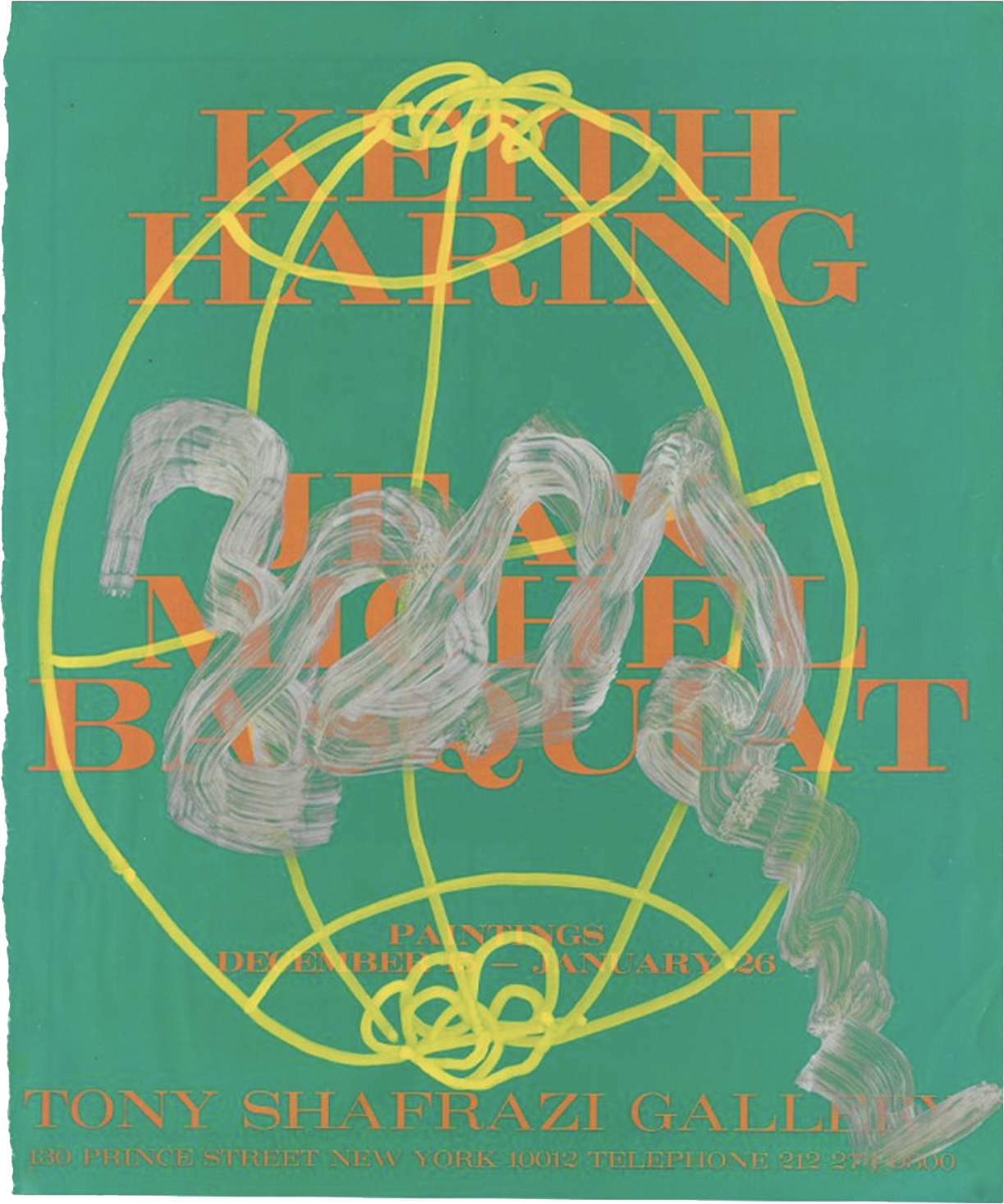
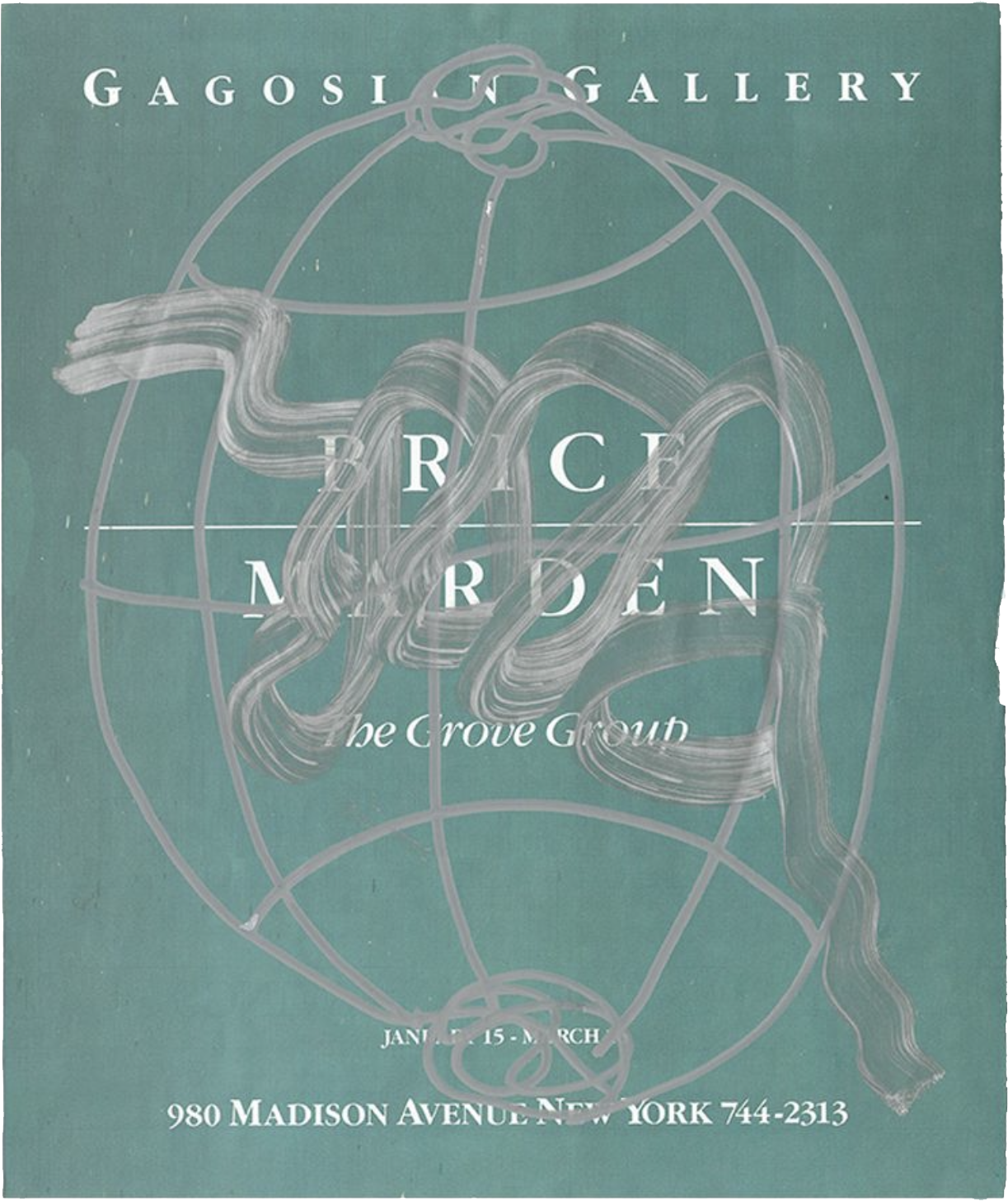
The works gathered under the title Advertisements begin with a familiar format and quietly undo it. Each painting adopts the scale of an art magazine page (Art in America, 28 × 21.5 cm), a size that suggests circulation, reproduction, and the logic of display. Yet nothing here advertises in any conventional sense. There is no product, no promise, no persuasive clarity. What remains instead is a structure without its function, an address without a message.
Ruda Echeverría has long been interested in systems that organize knowledge and desire, most notably in his ongoing project of fictional books. In these paintings, that interest shifts toward another cultural apparatus: the advertisement. The names that appear in the titles—Marden, Goodman, d’Offay, Stella, Peters, Martin, Haring/Basquiat—evoke artists, dealers, and historical constellations. They read as signals, almost as brands, yet they do not resolve into stable references. Instead, they hover between citation and invention, suggesting a network of associations without fixing their meaning.
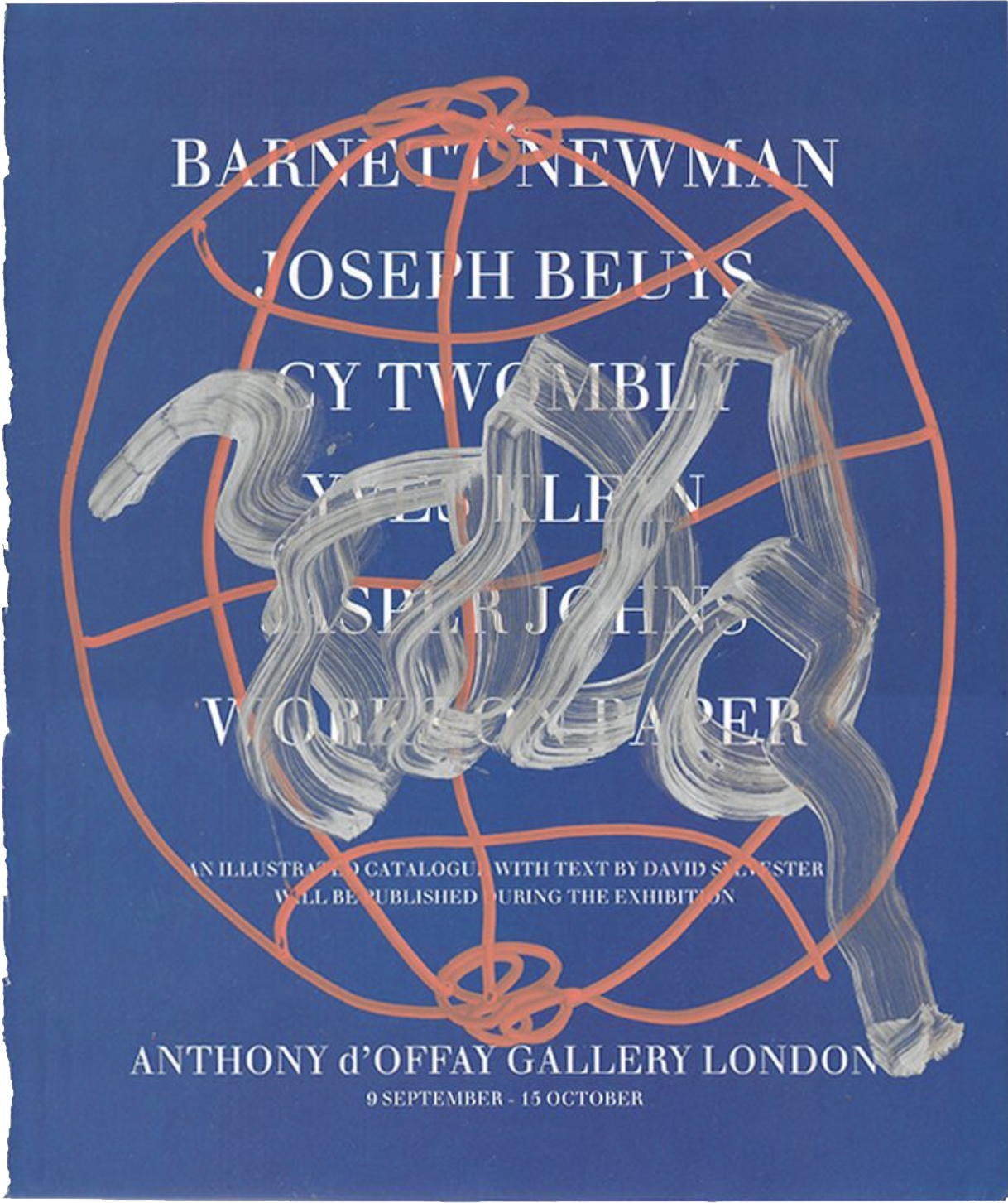
Advertisement (d’Offay), 2025. Acrylic and metallic paint on paper, 28 × 21.5 cm (11 × 8 1/2 in.)
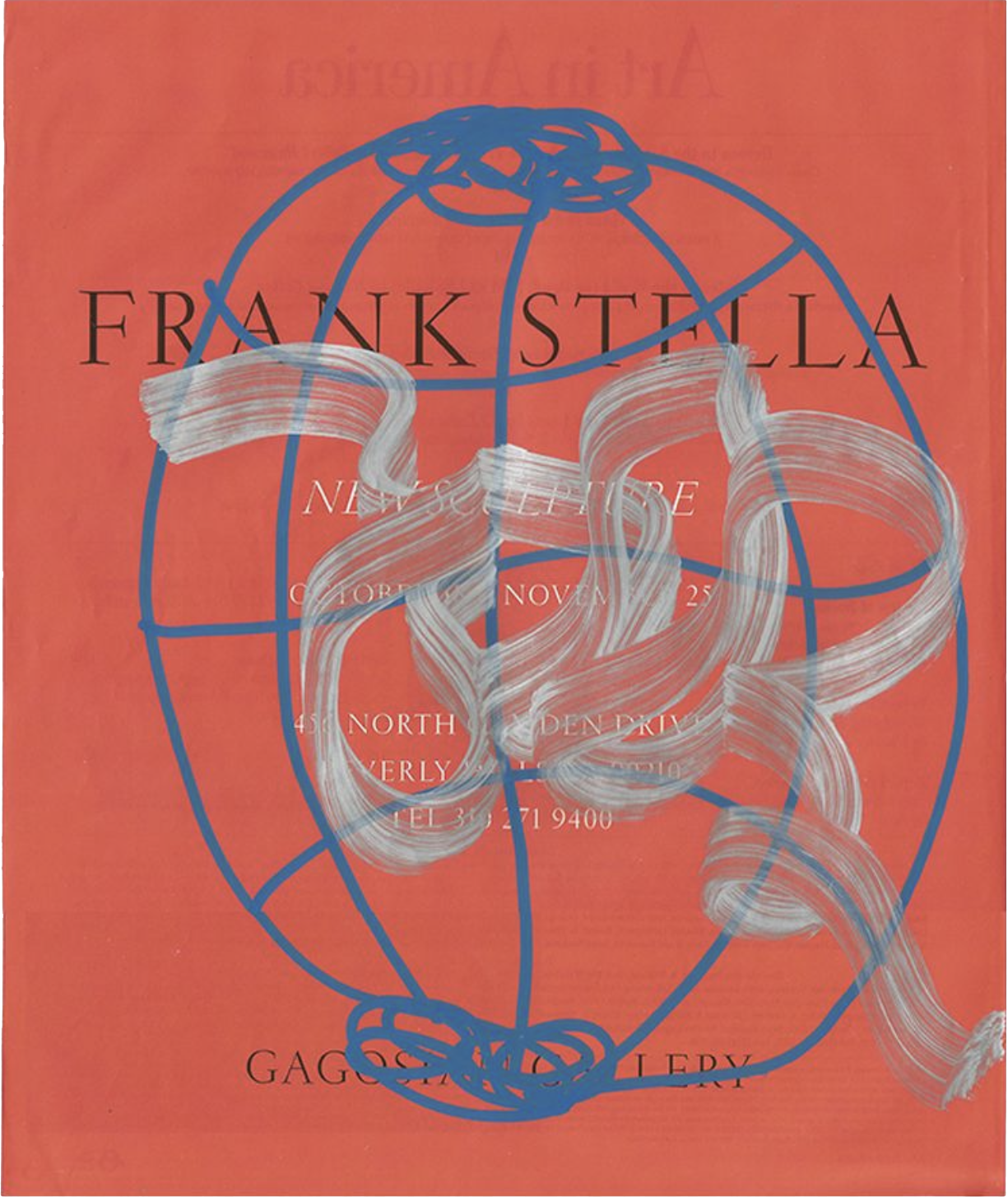
Advertisement (Stella), 2025. Acrylic and metallic paint on paper, 28 × 21.5 cm (11 × 8 1/2 in.)
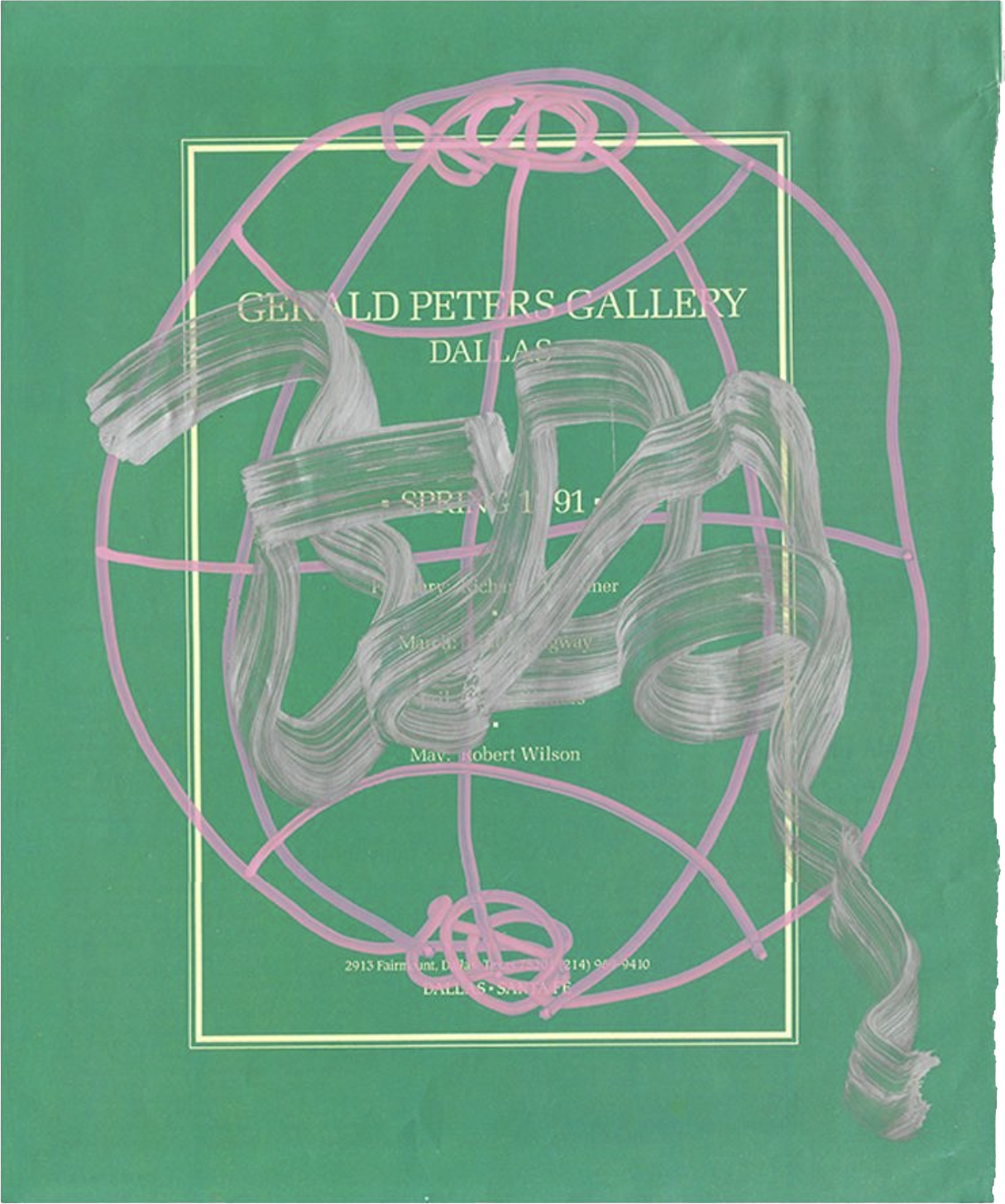
Advertisement (Peters), 2025. Acrylic and metallic paint on paper, 28 × 21.5 cm (11 × 8 1/2 in.)
What is striking is the resistance each image maintains. The surface does not yield easily. Metallic paint interrupts the expected legibility of the page, catching light and dispersing it, while acrylic layers create a density that counters the assumed immediacy of advertising language. The image holds, delays, and withholds. It insists on being looked at rather than consumed.
In this sense, the works operate as a departure from the speed and transparency that typically define Echeverría’s earlier paintings. Here, the gesture is slower, more obstructive. The format remains tied to circulation, but the content refuses to circulate. Each painting becomes a singular object that mimics reproducibility while denying it.
There is also a quiet humor at play. To call these works advertisements is to invoke an economy of attention that they systematically frustrate. They promise nothing and sell nothing. Instead, they reflect back on the structures that shape visibility and value, exposing their mechanisms by removing their purpose.
What remains is an image that stays.
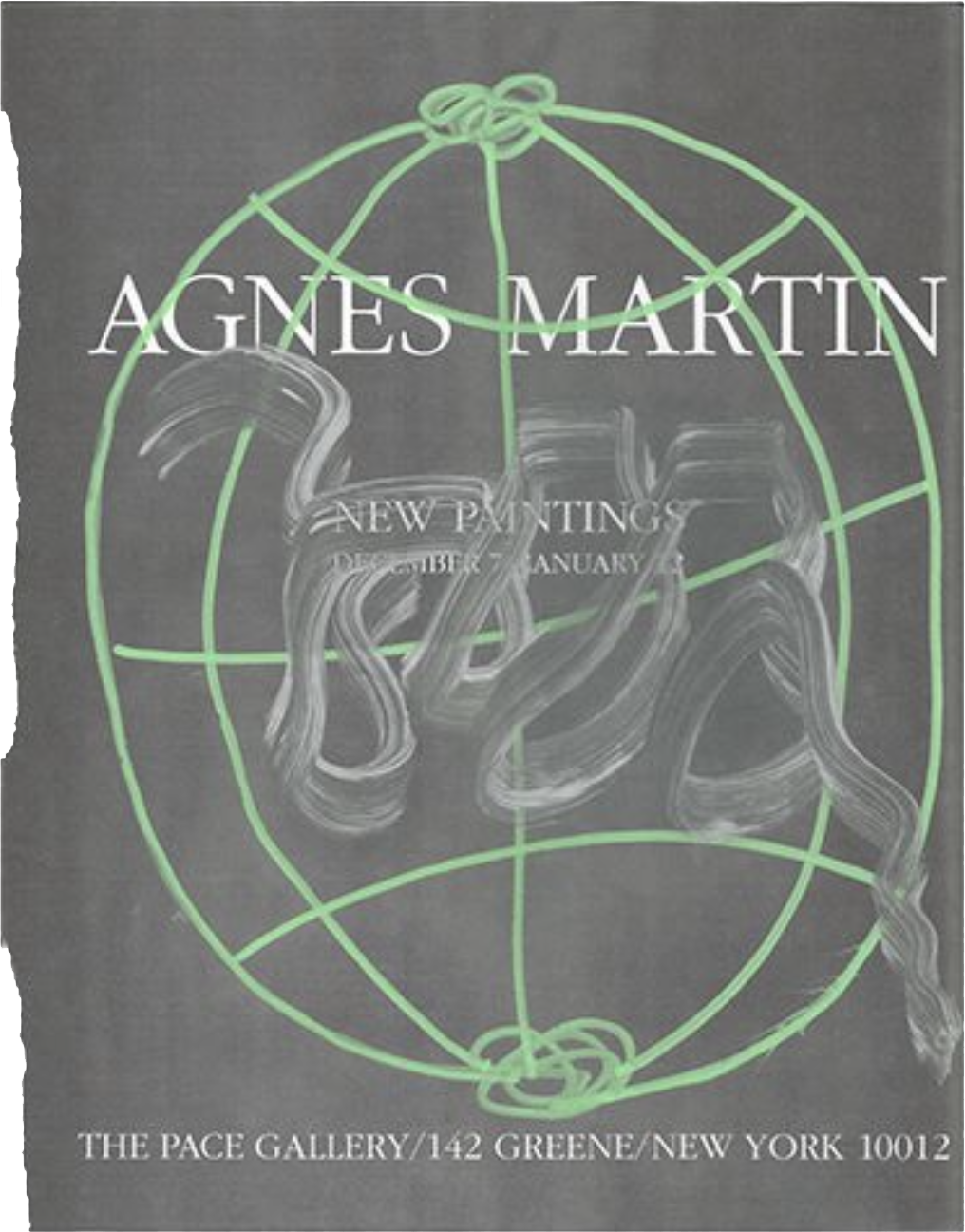
Advertisement (Martin), 2025. Acrylic and metallic paint on paper, 28 × 21.5 cm (11 × 8 1/2 in.)
Ruda Echeverría (b. 1985, London) lives and works between Barcelona and Caracas. He studied Law at Universidad Metropolitana, Caracas (2010), completed a master’s degree in international law at Universidad Complutense, Madrid (2011), and later trained in ceramic sculpture at Taller Escuela Arte Fuego Cándido Millán, Caracas (2017). His work has been exhibited internationally, including in Barcelona, Madrid, Bogotá, Mexico City, and Caracas, with presentations at Museo Tamayo Arte Contemporáneo, Museo de Arte Contemporáneo del Zulia, and in the Colección Patricia Phelps de Cisneros. He is cofounder and director of the artist-run space Ssuave 3000, established in Barcelona in 2020.
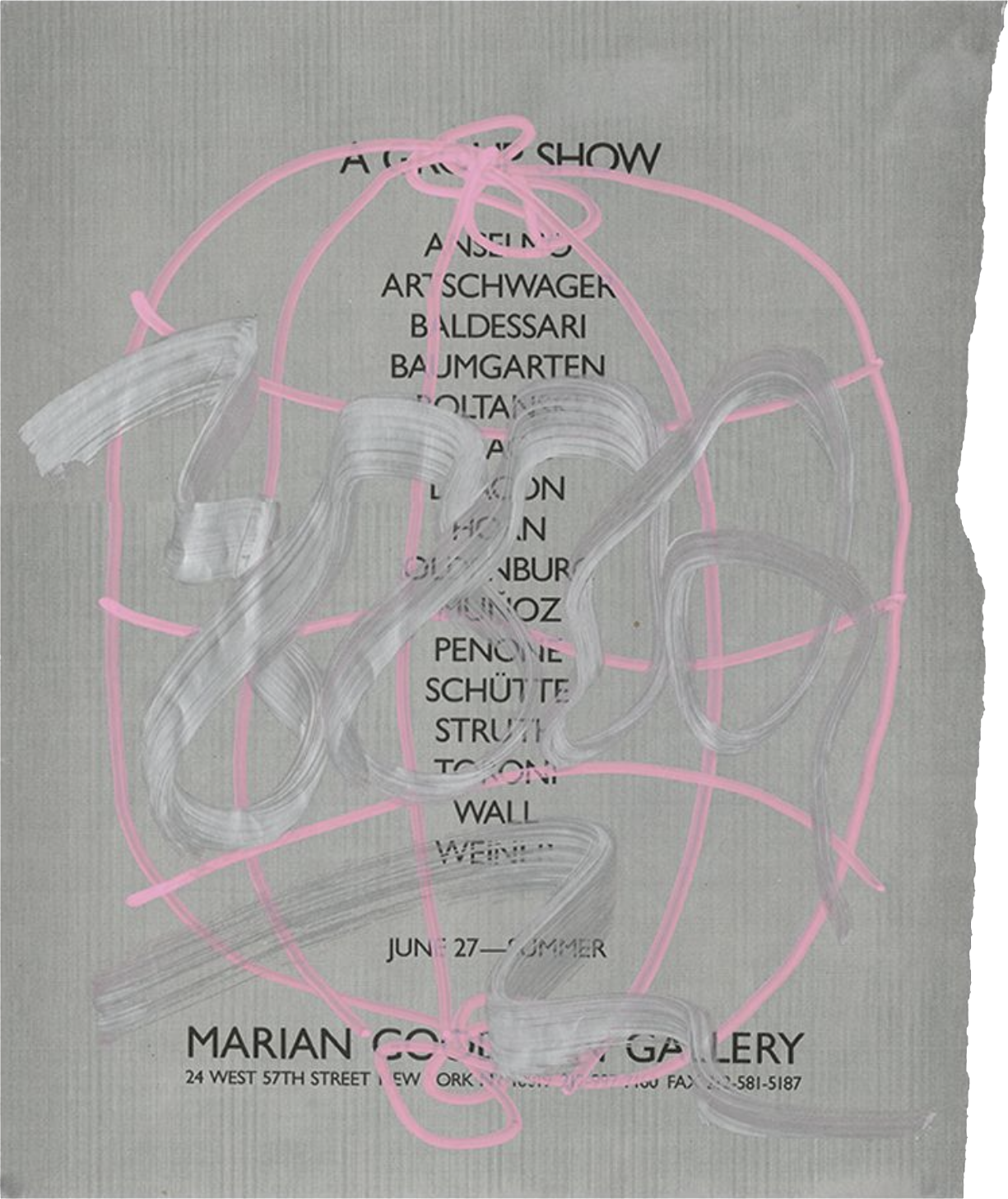
Advertisement (Goodman), 2025. Acrylic and metallic paint on paper, 28 × 21.5 cm (11 × 8 1/2 in.)