Facebook
Twitter
WhatsApp

Yayoï Gunji
In piedi davanti all’ignoto
2025
Burnt wood on wood panel with pigments
32 × 42 cm (12 5/8 × 16 1/2 in.)

Yayoï Gunji
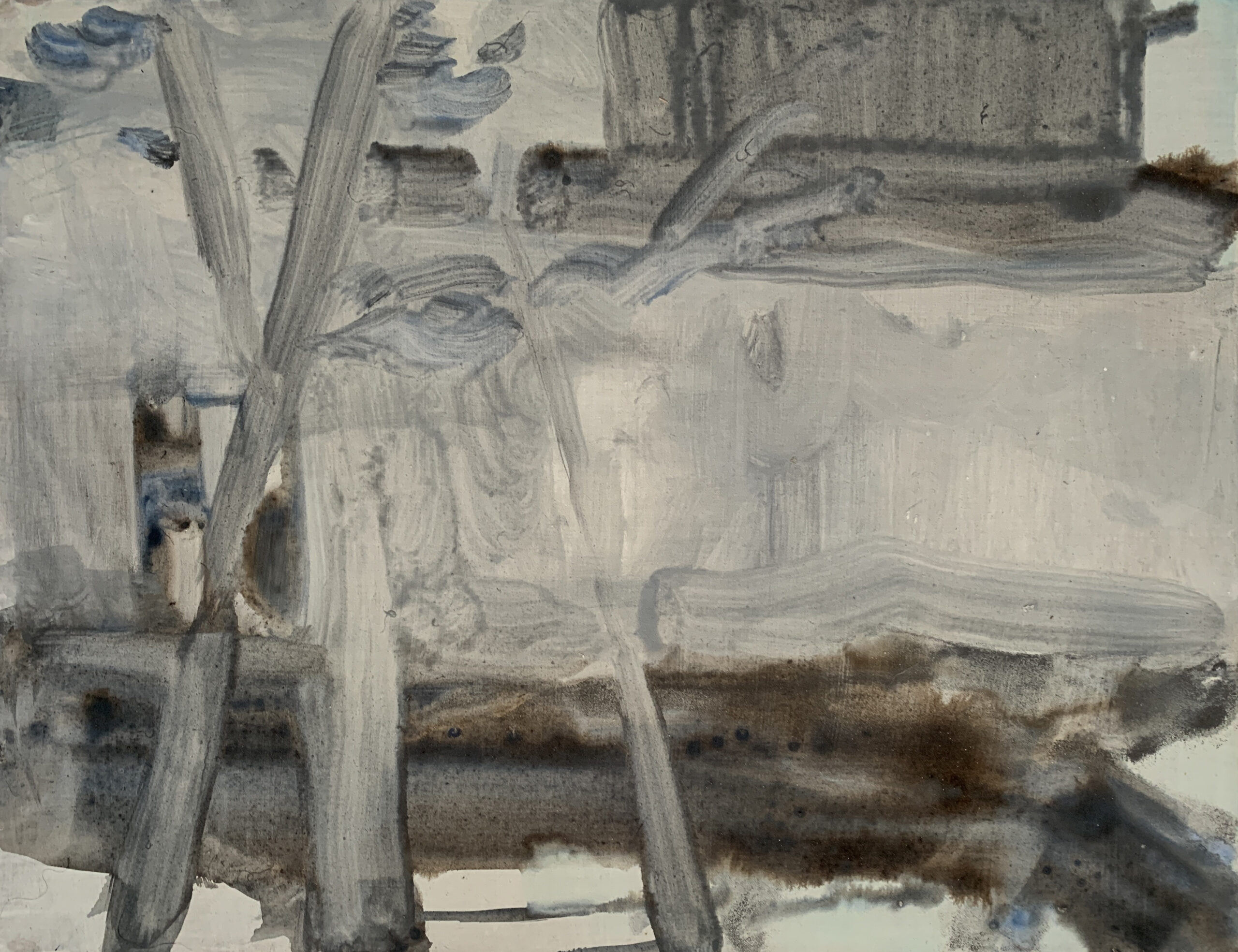
Torrente Arroscia
2025
Pigments on board
27 × 35 cm (10 5/8 × 13 3/4 in.)

Yayoï Gunji
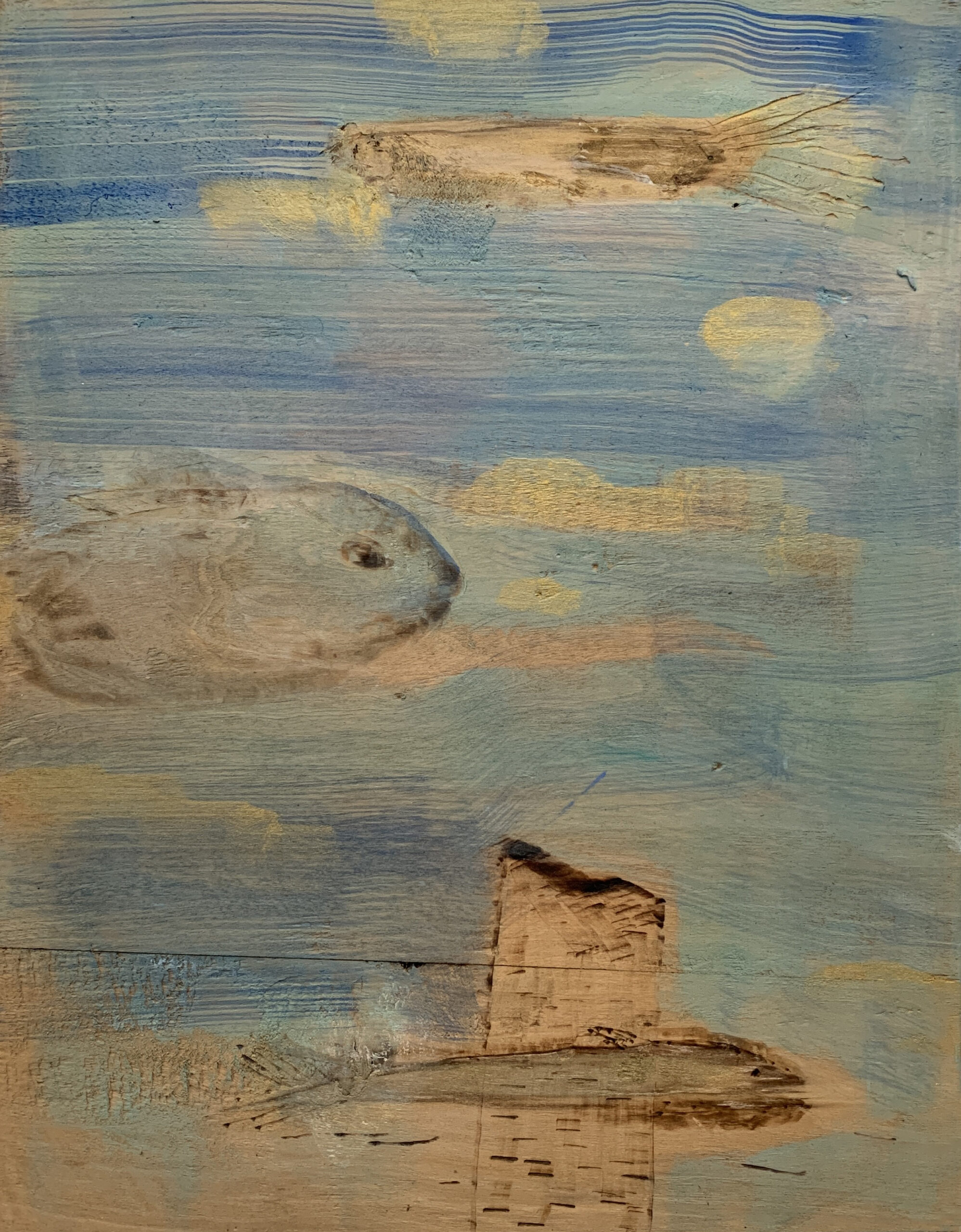
Les poissons
2025
Burnt wood on wood panel with pigments
35 × 27 cm (13 3/4 × 10 5/8 in.)

Yayoï Gunji
Sotto la nebbia
2025
Pigments on board
27 × 35 cm (10 5/8 × 13 3/4 in.)

Yayoï Gunji
Permafrost
2025
Pigments on board
27 × 35 cm (10 5/8 × 13 3/4 in.)

Yayoï Gunji
Cappucini
2025
Burnt wood on wood panel with pigments
42 × 33 cm (13 × 16 1/2 in.)

Yayoï Gunji
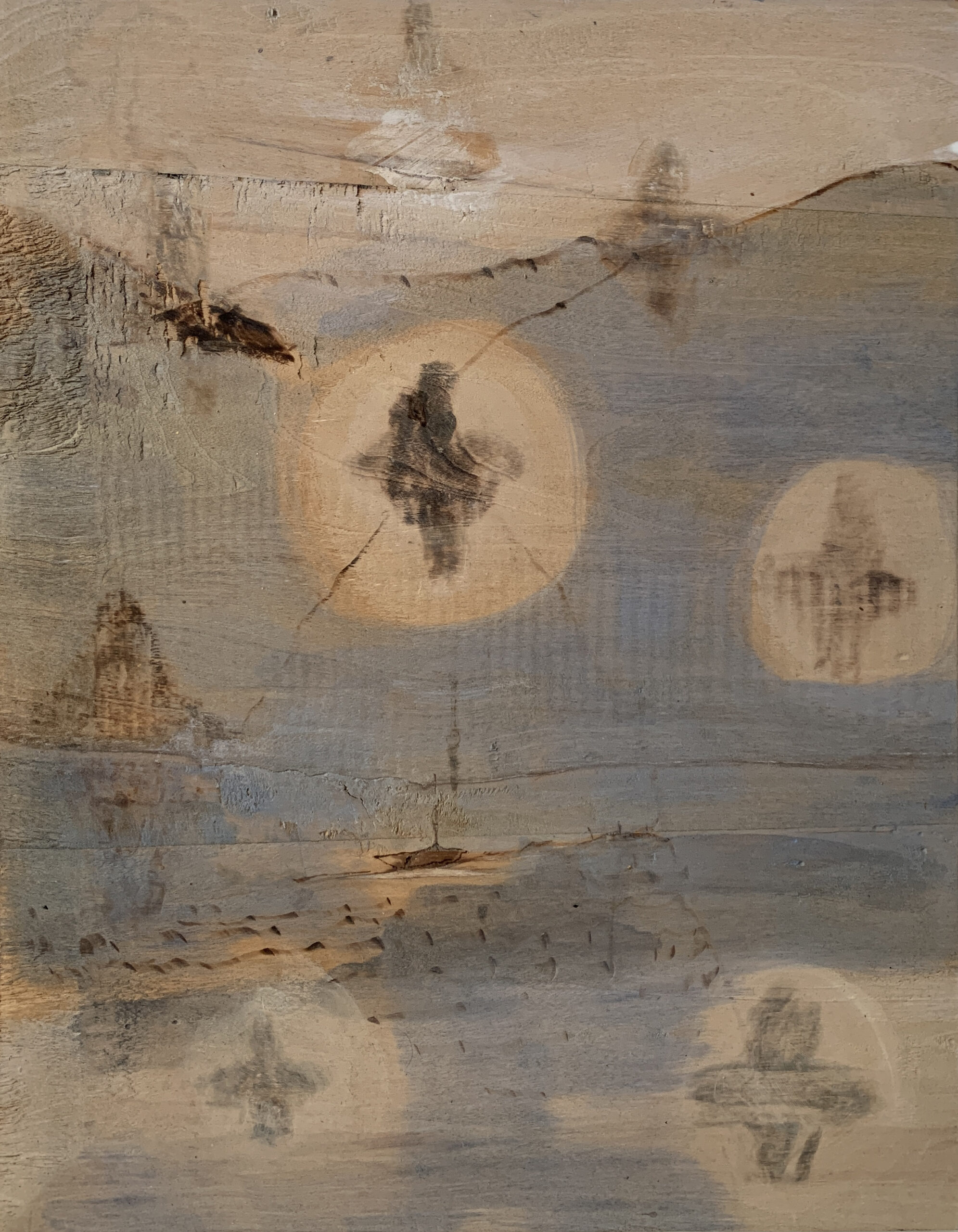
Bulles
2025
Burnt wood on wood panel with pigments
40 × 40 cm (15 3/4 × 15 3/4 in.)

Yayoï Gunji
Medusa
2025
Acrylic on canvas
40 × 40 cm (15 3/4 × 15 3/4 in.)

Yayoï Gunji
San Agostino
2025
Burnt wood on wood panel with pigments
32 × 42 cm (12 5/8 × 16 1/2 in.)
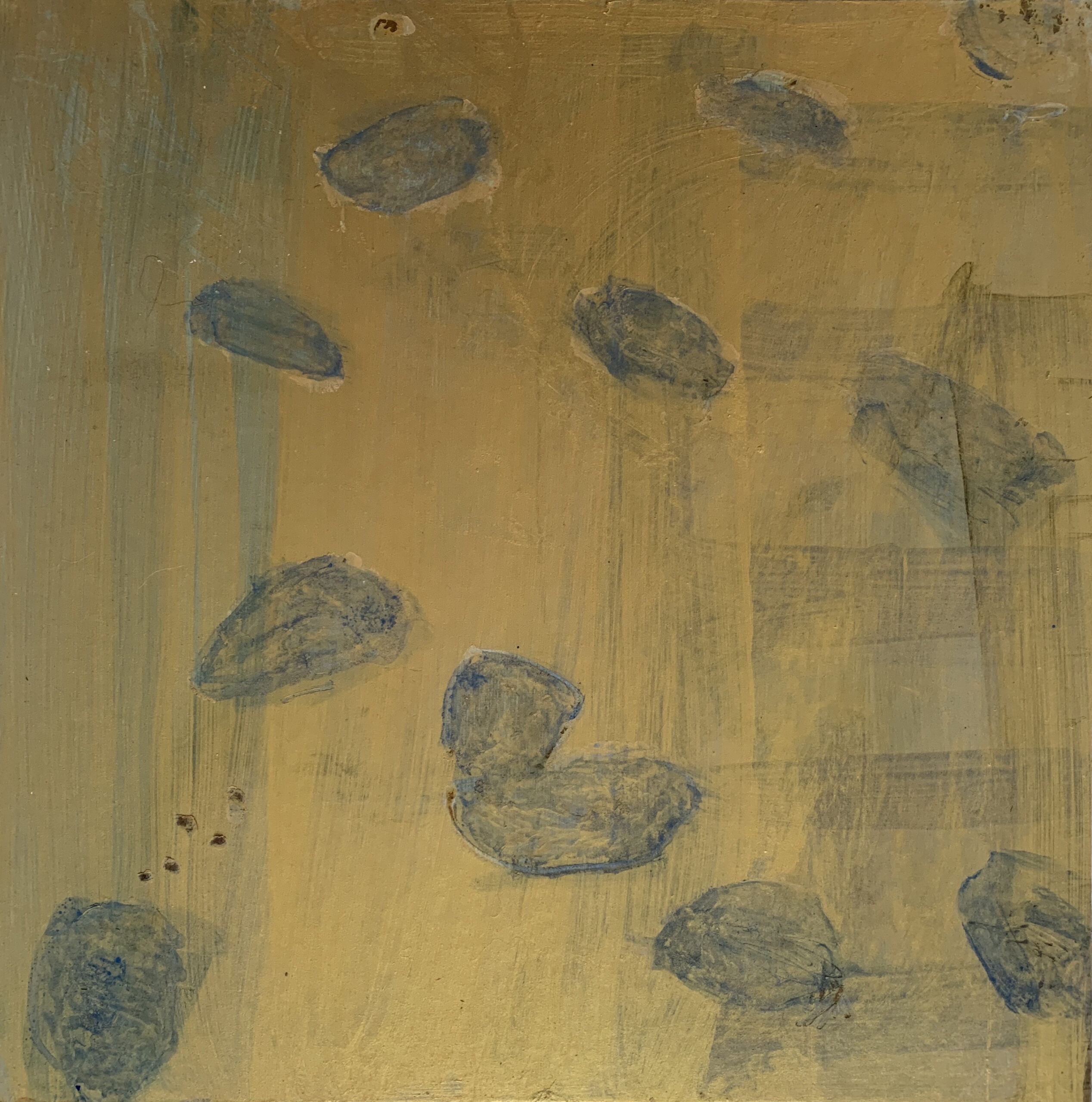
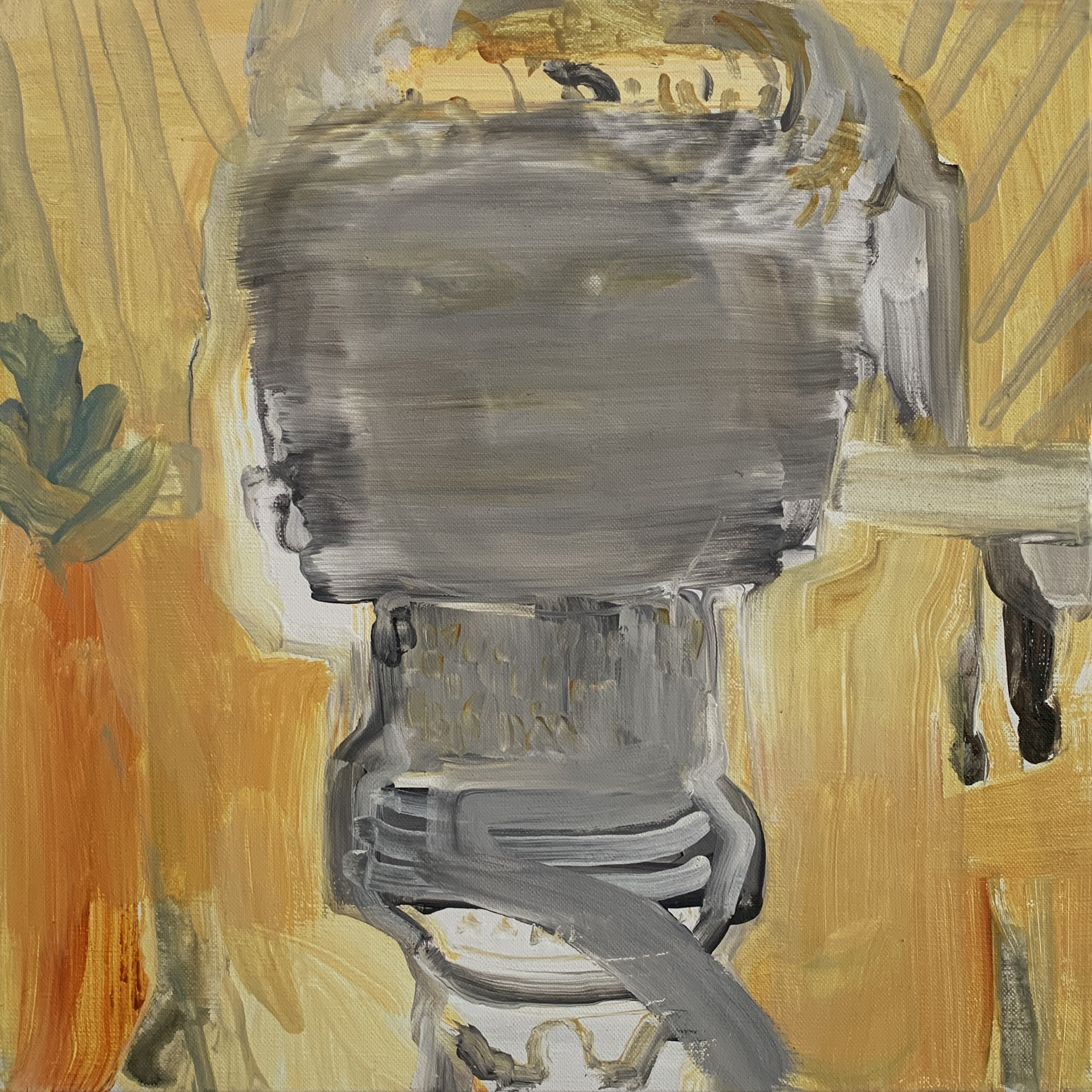
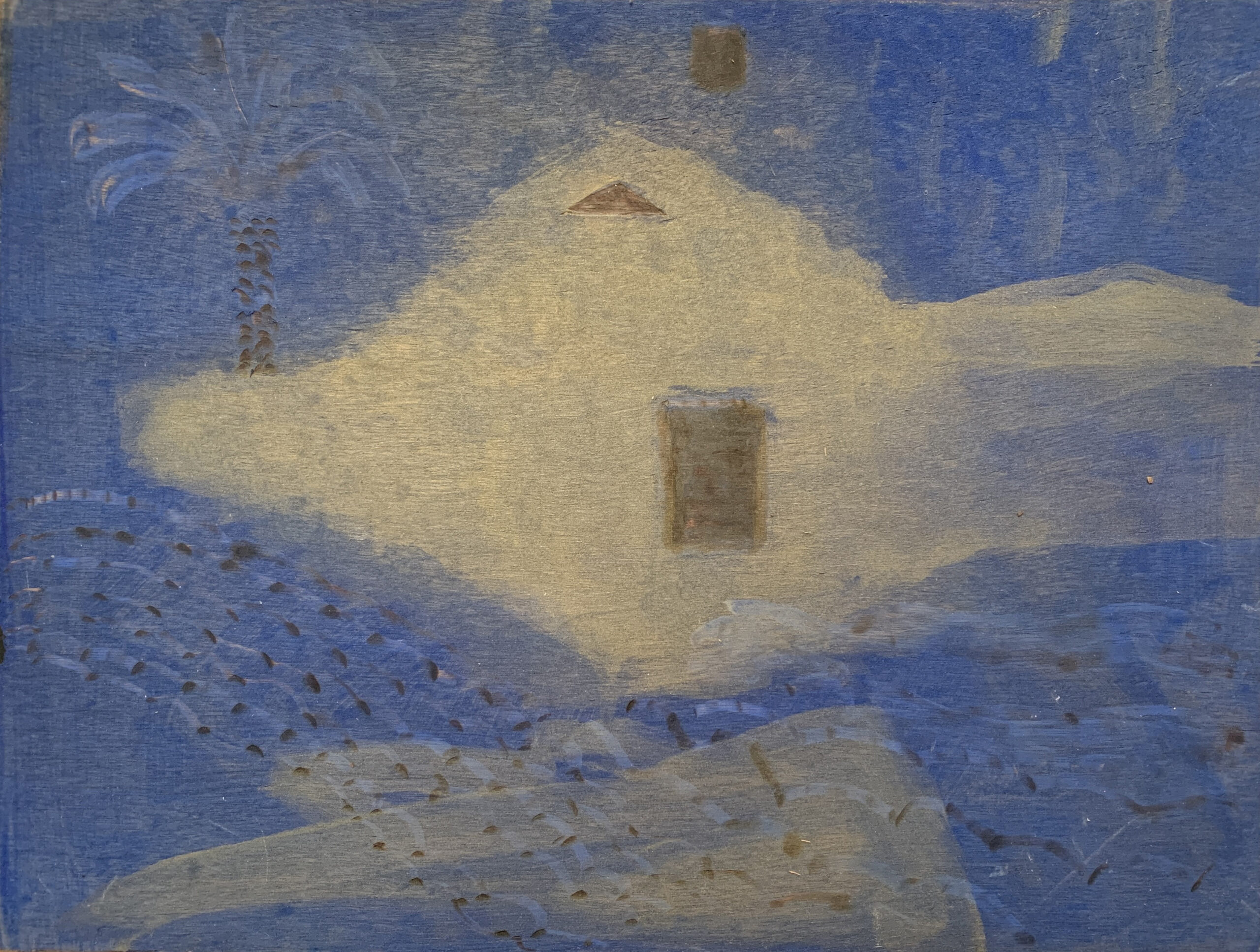
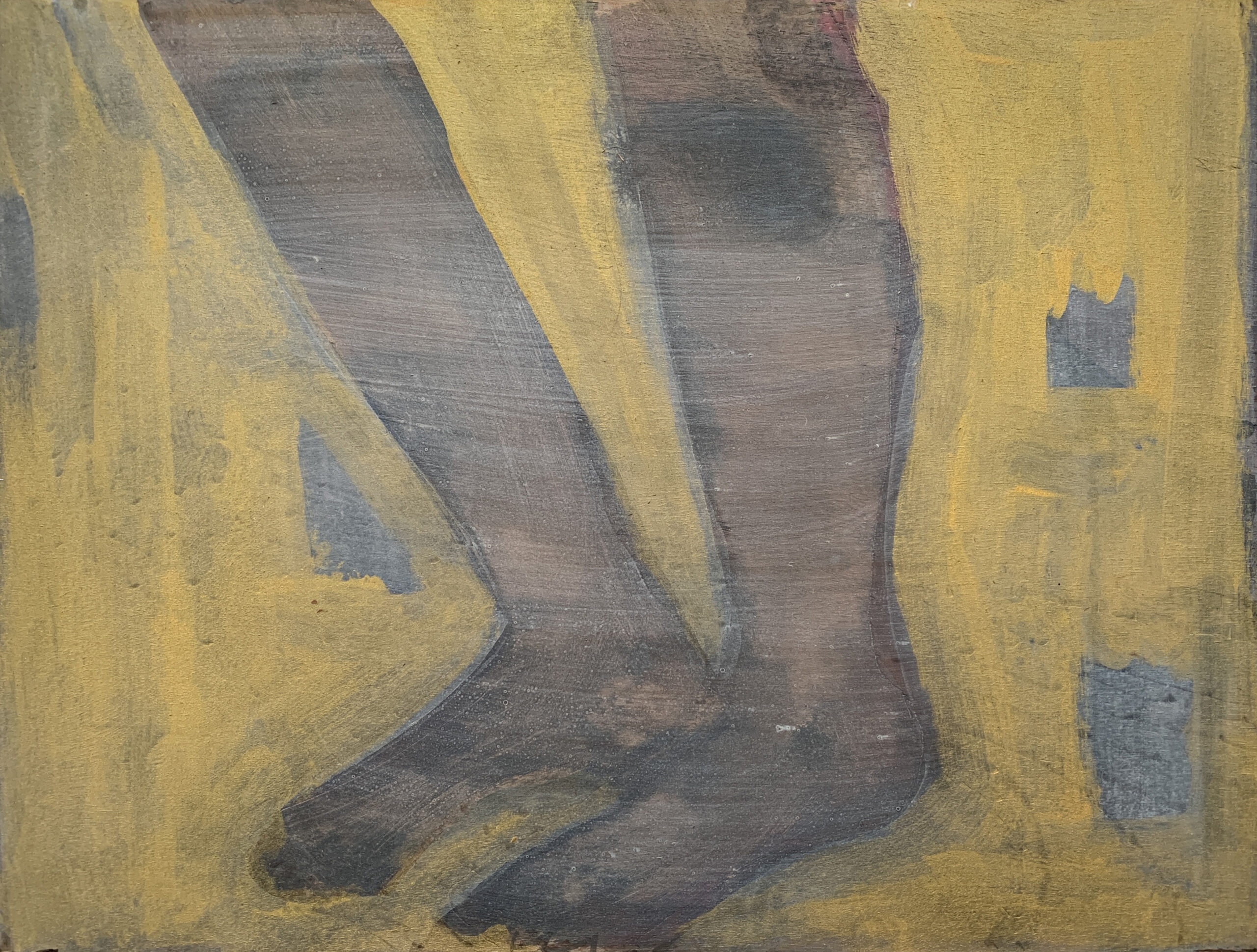
Fragments of Resonance brings together nine paintings, all made in 2025 in Italy, during a period of close attention to place, memory, and the persistence of sound within architecture. The convent of Saint Augustine in Pieve di Teco becomes both setting and instrument, a space that holds and releases traces. Yayoï Gunji approaches it not as a site to depict, but as something to listen to. What emerges is a body of work shaped by a double register: the historical resonance of the convent itself and a more interior echo, linked to her childhood in Cluny, France, another site marked by monastic tradition and sacred chant.
The paintings unfold as fragments of a dispersed composition. Each panel operates like a note, or perhaps more precisely, like a pause within an invisible score. The panels do not accumulate into a single image but remain deliberately discontinuous, asking to be read slowly, spatially, almost musically. The eye moves from one to the next as if following a line that is never fully drawn. What connects them is not narrative but rhythm, a quiet continuity that emerges through attention rather than declaration.
Material plays a central role in this articulation. Raw wood, pigments, and burned surfaces register time not as an abstract idea but as a condition embedded in the work itself. The surface is never entirely stable. It absorbs, resists, and records. The image, in turn, appears only provisionally, as if emerging from and returning to the material ground. Gunji’s earlier tendency toward dissolution remains present, but here it is countered by a new insistence, a holding in place.
The works also carry quieter, more incidental threads of experience. A fisherman in Corsica tearing a page from Saint Augustine’s Confessions to write down a phone number becomes part of the same field of meaning. Nothing is isolated. Each fragment resonates with another, forming a network of associations that extends beyond the frame. What Gunji offers is not an image to decode but a structure of attention, one that unfolds gradually, and without closure.
Yayoi Gunji (b. 1969, Cluny, France) lives and works in Nice. She graduated from the École Nationale Supérieure d’Arts à la Villa Arson, Nice, in 1991. Her work has been exhibited widely, including solo and group exhibitions at Galerie Catherine Issert, Saint Paul de Vence, and presentations at Kioskkiosk, Marseille. She has participated in group exhibitions including Hoffmann Maler Wallenberg, Nice, in 2023. In 2022, she was in residence at the Emily Harvey Foundation, Venice, and at Minoterie 21, Peillac.
Fragments of Resonance brings together nine paintings, all made in 2025 in Italy, during a period of close attention to place, memory, and the persistence of sound within architecture. The convent of Saint Augustine in Pieve di Teco becomes both setting and instrument, a space that holds and releases traces. Yayoï Gunji approaches it not as a site to depict, but as something to listen to. What emerges is a body of work shaped by a double register: the historical resonance of the convent itself and a more interior echo, linked to her childhood in Cluny, France, another site marked by monastic tradition and sacred chant.
The paintings unfold as fragments of a dispersed composition. Each panel operates like a note, or perhaps more precisely, like a pause within an invisible score. The panels do not accumulate into a single image but remain deliberately discontinuous, asking to be read slowly, spatially, almost musically. The eye moves from one to the next as if following a line that is never fully drawn. What connects them is not narrative but rhythm, a quiet continuity that emerges through attention rather than declaration.
Material plays a central role in this articulation. Raw wood, pigments, and burned surfaces register time not as an abstract idea but as a condition embedded in the work itself. The surface is never entirely stable. It absorbs, resists, and records. The image, in turn, appears only provisionally, as if emerging from and returning to the material ground. Gunji’s earlier tendency toward dissolution remains present, but here it is countered by a new insistence, a holding in place.
The works also carry quieter, more incidental threads of experience. A fisherman in Corsica tearing a page from Saint Augustine’s Confessions to write down a phone number becomes part of the same field of meaning. Nothing is isolated. Each fragment resonates with another, forming a network of associations that extends beyond the frame. What Gunji offers is not an image to decode but a structure of attention, one that unfolds gradually, and without closure.
Yayoi Gunji (b. 1969, Cluny, France) lives and works in Nice. She graduated from the École Nationale Supérieure d’Arts à la Villa Arson, Nice, in 1991. Her work has been exhibited widely, including solo and group exhibitions at Galerie Catherine Issert, Saint Paul de Vence, and presentations at Kioskkiosk, Marseille. She has participated in group exhibitions including Hoffmann Maler Wallenberg, Nice, in 2023. In 2022, she was in residence at the Emily Harvey Foundation, Venice, and at Minoterie 21, Peillac.
Fragments of Resonance brings together nine paintings, all made in 2025 in Italy, during a period of close attention to place, memory, and the persistence of sound within architecture. The convent of Saint Augustine in Pieve di Teco becomes both setting and instrument, a space that holds and releases traces. Yayoï Gunji approaches it not as a site to depict, but as something to listen to. What emerges is a body of work shaped by a double register: the historical resonance of the convent itself and a more interior echo, linked to her childhood in Cluny, France, another site marked by monastic tradition and sacred chant.
The paintings unfold as fragments of a dispersed composition. Each panel operates like a note, or perhaps more precisely, like a pause within an invisible score. The panels do not accumulate into a single image but remain deliberately discontinuous, asking to be read slowly, spatially, almost musically. The eye moves from one to the next as if following a line that is never fully drawn. What connects them is not narrative but rhythm, a quiet continuity that emerges through attention rather than declaration.
Material plays a central role in this articulation. Raw wood, pigments, and burned surfaces register time not as an abstract idea but as a condition embedded in the work itself. The surface is never entirely stable. It absorbs, resists, and records. The image, in turn, appears only provisionally, as if emerging from and returning to the material ground. Gunji’s earlier tendency toward dissolution remains present, but here it is countered by a new insistence, a holding in place.
The works also carry quieter, more incidental threads of experience. A fisherman in Corsica tearing a page from Saint Augustine’s Confessions to write down a phone number becomes part of the same field of meaning. Nothing is isolated. Each fragment resonates with another, forming a network of associations that extends beyond the frame. What Gunji offers is not an image to decode but a structure of attention, one that unfolds gradually, and without closure.
Yayoi Gunji (b. 1969, Cluny, France) lives and works in Nice. She graduated from the École Nationale Supérieure d’Arts à la Villa Arson, Nice, in 1991. Her work has been exhibited widely, including solo and group exhibitions at Galerie Catherine Issert, Saint Paul de Vence, and presentations at Kioskkiosk, Marseille. She has participated in group exhibitions including Hoffmann Maler Wallenberg, Nice, in 2023. In 2022, she was in residence at the Emily Harvey Foundation, Venice, and at Minoterie 21, Peillac.
Fragments of Resonance brings together nine paintings, all made in 2025 in Italy, during a period of close attention to place, memory, and the persistence of sound within architecture. The convent of Saint Augustine in Pieve di Teco becomes both setting and instrument, a space that holds and releases traces. Yayoï Gunji approaches it not as a site to depict, but as something to listen to. What emerges is a body of work shaped by a double register: the historical resonance of the convent itself and a more interior echo, linked to her childhood in Cluny, France, another site marked by monastic tradition and sacred chant.
The paintings unfold as fragments of a dispersed composition. Each panel operates like a note, or perhaps more precisely, like a pause within an invisible score. The panels do not accumulate into a single image but remain deliberately discontinuous, asking to be read slowly, spatially, almost musically. The eye moves from one to the next as if following a line that is never fully drawn. What connects them is not narrative but rhythm, a quiet continuity that emerges through attention rather than declaration.
Material plays a central role in this articulation. Raw wood, pigments, and burned surfaces register time not as an abstract idea but as a condition embedded in the work itself. The surface is never entirely stable. It absorbs, resists, and records. The image, in turn, appears only provisionally, as if emerging from and returning to the material ground. Gunji’s earlier tendency toward dissolution remains present, but here it is countered by a new insistence, a holding in place.
The works also carry quieter, more incidental threads of experience. A fisherman in Corsica tearing a page from Saint Augustine’s Confessions to write down a phone number becomes part of the same field of meaning. Nothing is isolated. Each fragment resonates with another, forming a network of associations that extends beyond the frame. What Gunji offers is not an image to decode but a structure of attention, one that unfolds gradually, and without closure.
Yayoi Gunji (b. 1969, Cluny, France) lives and works in Nice. She graduated from the École Nationale Supérieure d’Arts à la Villa Arson, Nice, in 1991. Her work has been exhibited widely, including solo and group exhibitions at Galerie Catherine Issert, Saint Paul de Vence, and presentations at Kioskkiosk, Marseille. She has participated in group exhibitions including Hoffmann Maler Wallenberg, Nice, in 2023. In 2022, she was in residence at the Emily Harvey Foundation, Venice, and at Minoterie 21, Peillac.

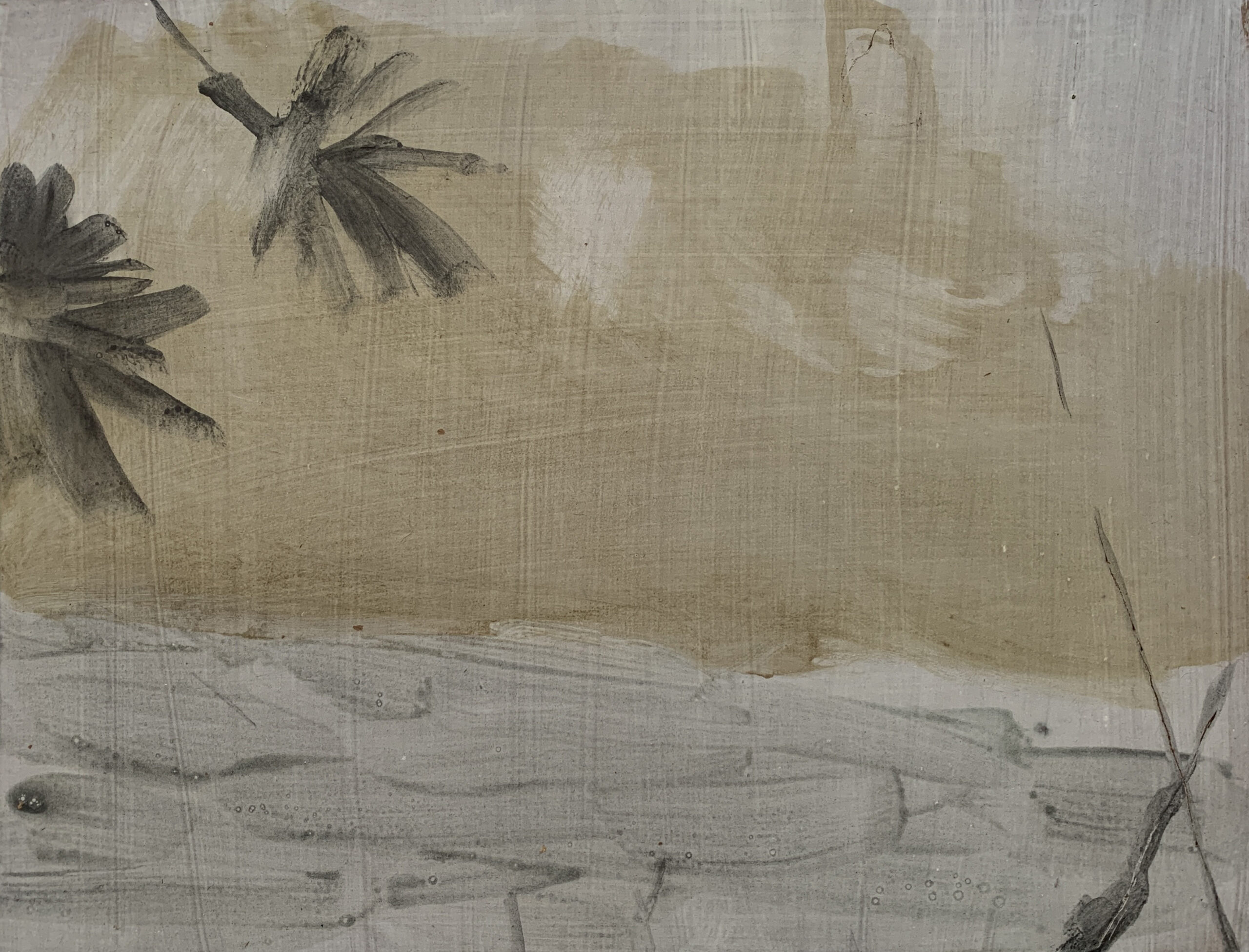
Yayoï Gunji
In piedi davanti all’ignoto
2025
Burnt wood on wood panel with pigments
32 × 42 cm (12 5/8 × 16 1/2 in.)

Yayoï Gunji
Torrente Arroscia
2025
Pigments on board
27 × 35 cm (10 5/8 × 13 3/4 in.)

Yayoï Gunji
Les poissons
2025
Burnt wood on wood panel with pigments
35 × 27 cm (13 3/4 × 10 5/8 in.)

Yayoï Gunji
Sotto la nebbia
2025
Pigments on board
27 × 35 cm (10 5/8 × 13 3/4 in.)

Yayoï Gunji
Permafrost
2025
Pigments on board
27 × 35 cm (10 5/8 × 13 3/4 in.)

Yayoï Gunji
Cappucini
2025
Burnt wood on wood panel with pigments
42 × 33 cm (13 × 16 1/2 in.)

Yayoï Gunji
Bulles
2025
Burnt wood on wood panel with pigments
40 × 40 cm (15 3/4 × 15 3/4 in.)

Yayoï Gunji
Medusa
2025
Acrylic on canvas
40 × 40 cm (15 3/4 × 15 3/4 in.)

Yayoï Gunji
San Agostino
2025
Burnt wood on wood panel with pigments
32 × 42 cm (12 5/8 × 16 1/2 in.)