Facebook
Twitter
WhatsApp
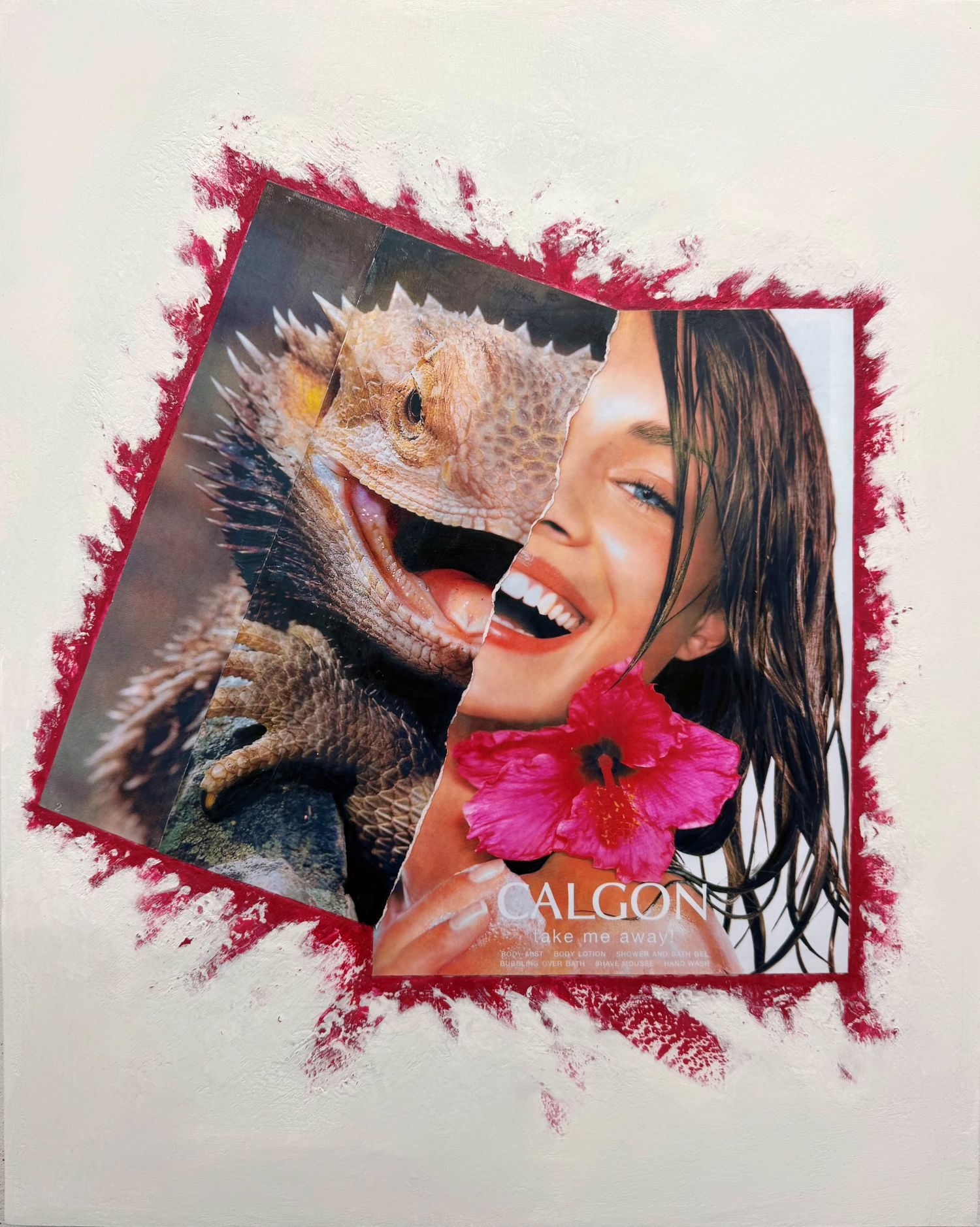
Marika Thunder
Lizard Girl
2026
Acrylic and inkjet print on wood panel
51 × 41 cm (20 × 16 in.)
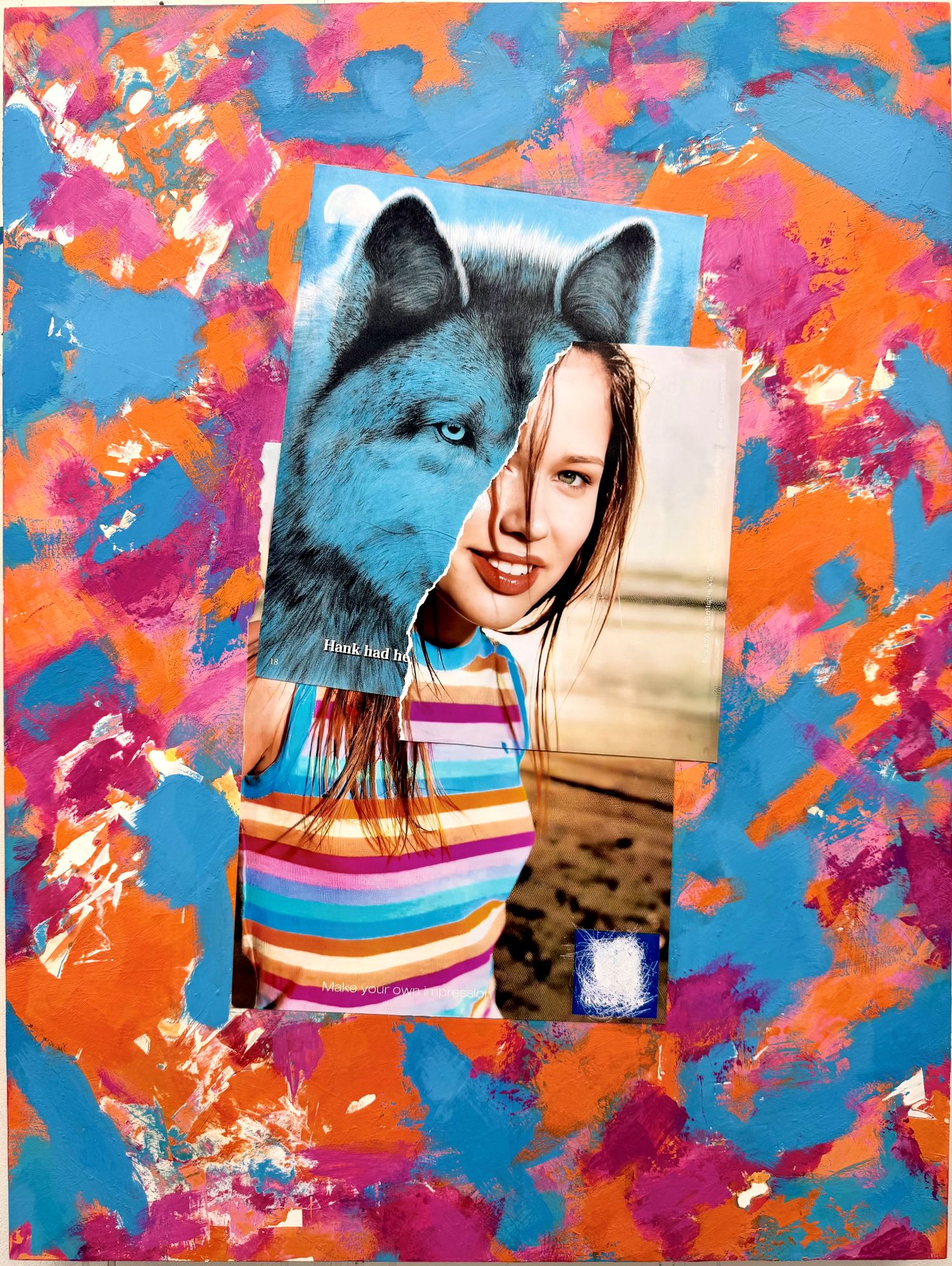
Marika Thunder
Wolf Girl
2026
Acrylic and inkjet print on wood panel
61 × 46 cm (24 × 18 in.)
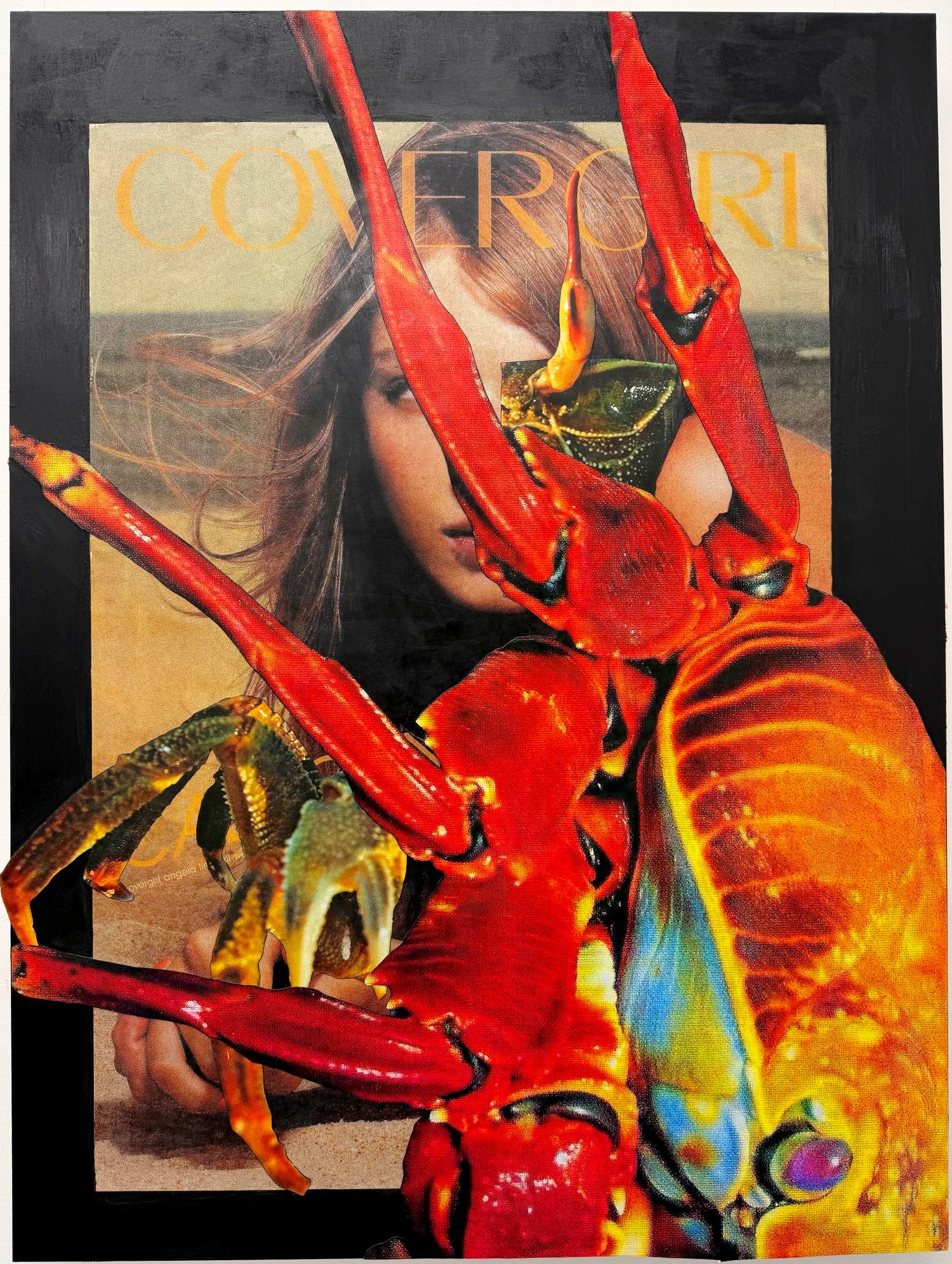
Marika Thunder
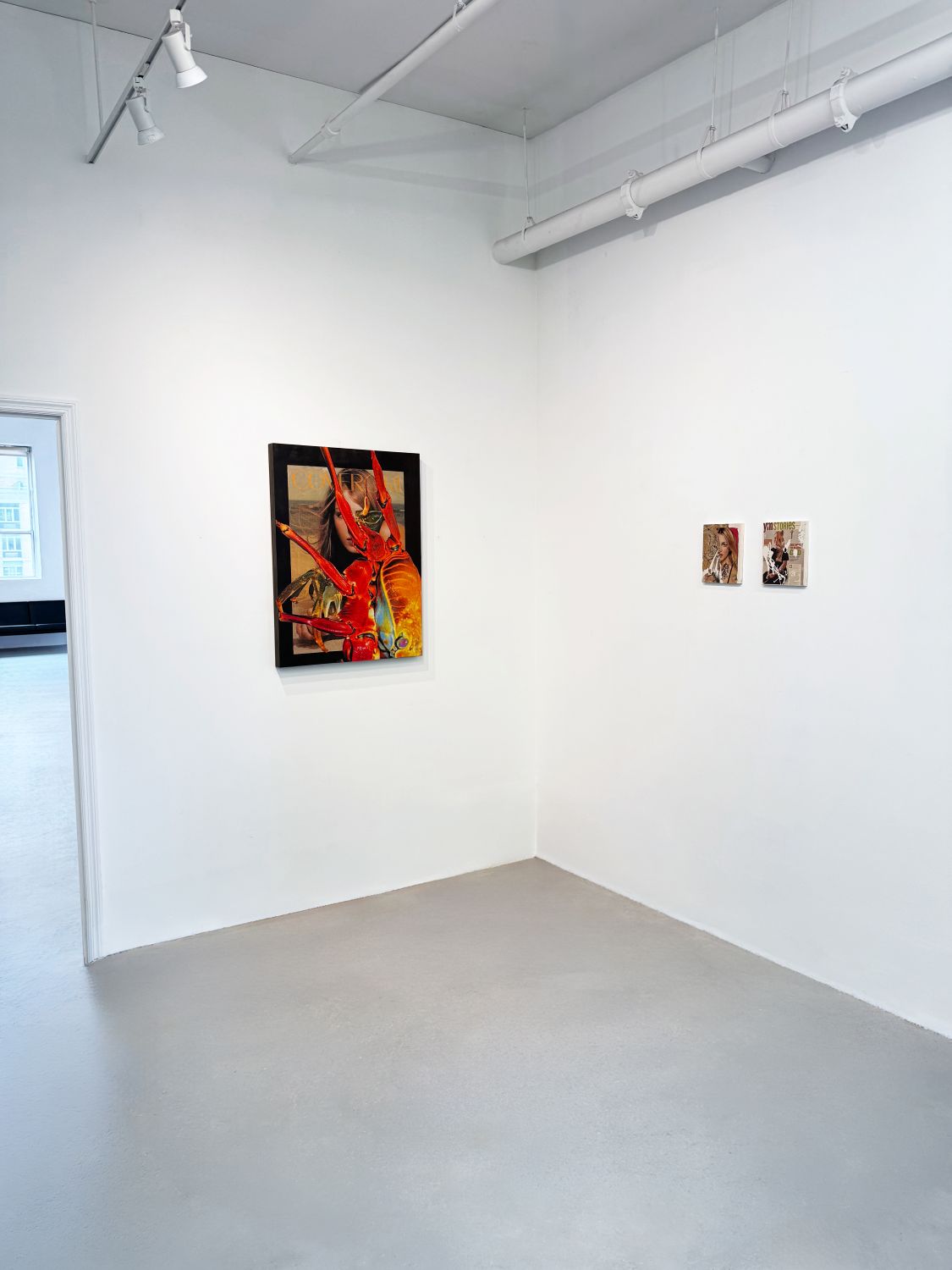
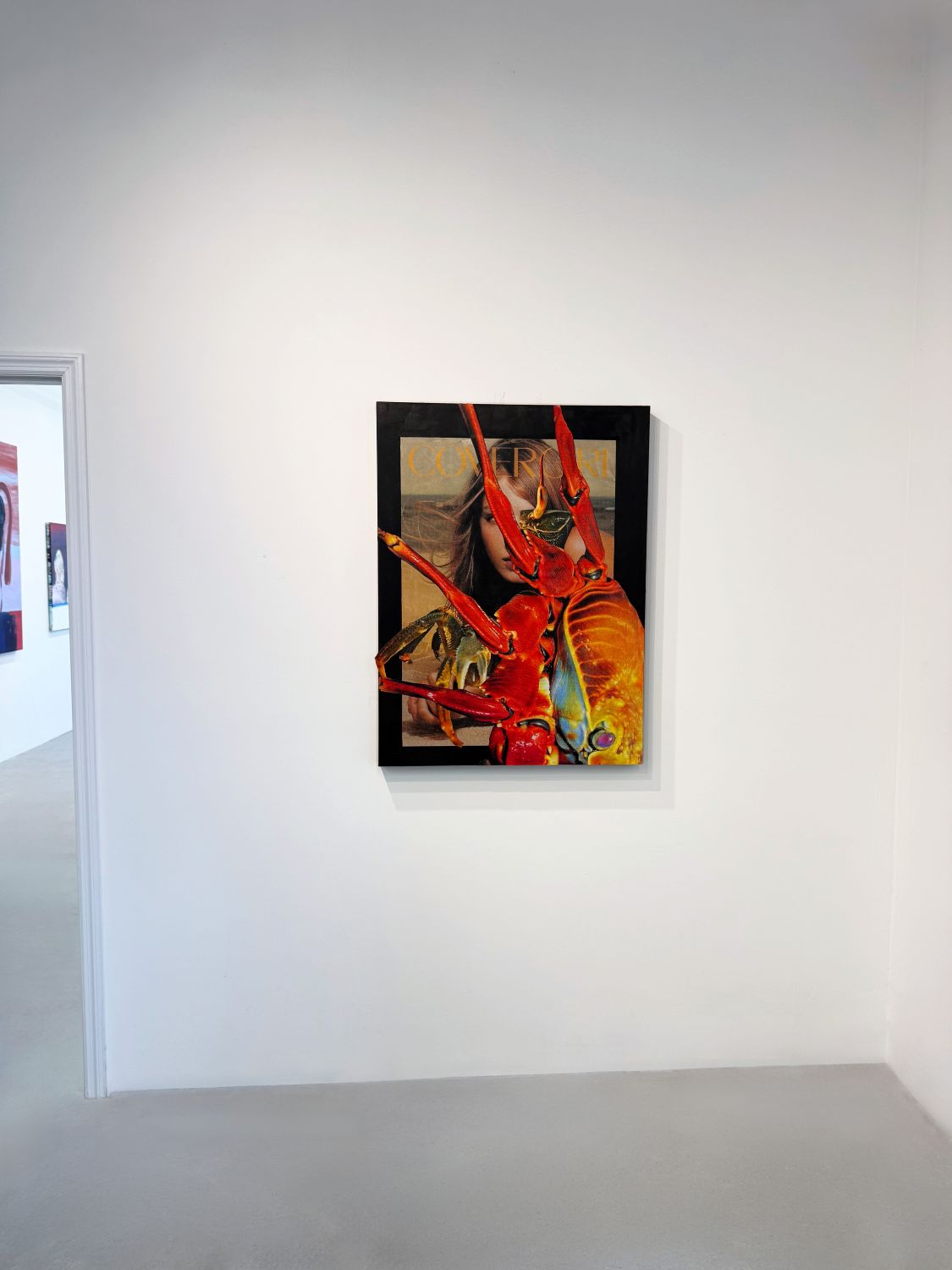
Covergirl
2026
Acrylic and inkjet print on wood panel
101.6 × 76.2 cm (40 × 30 in.)
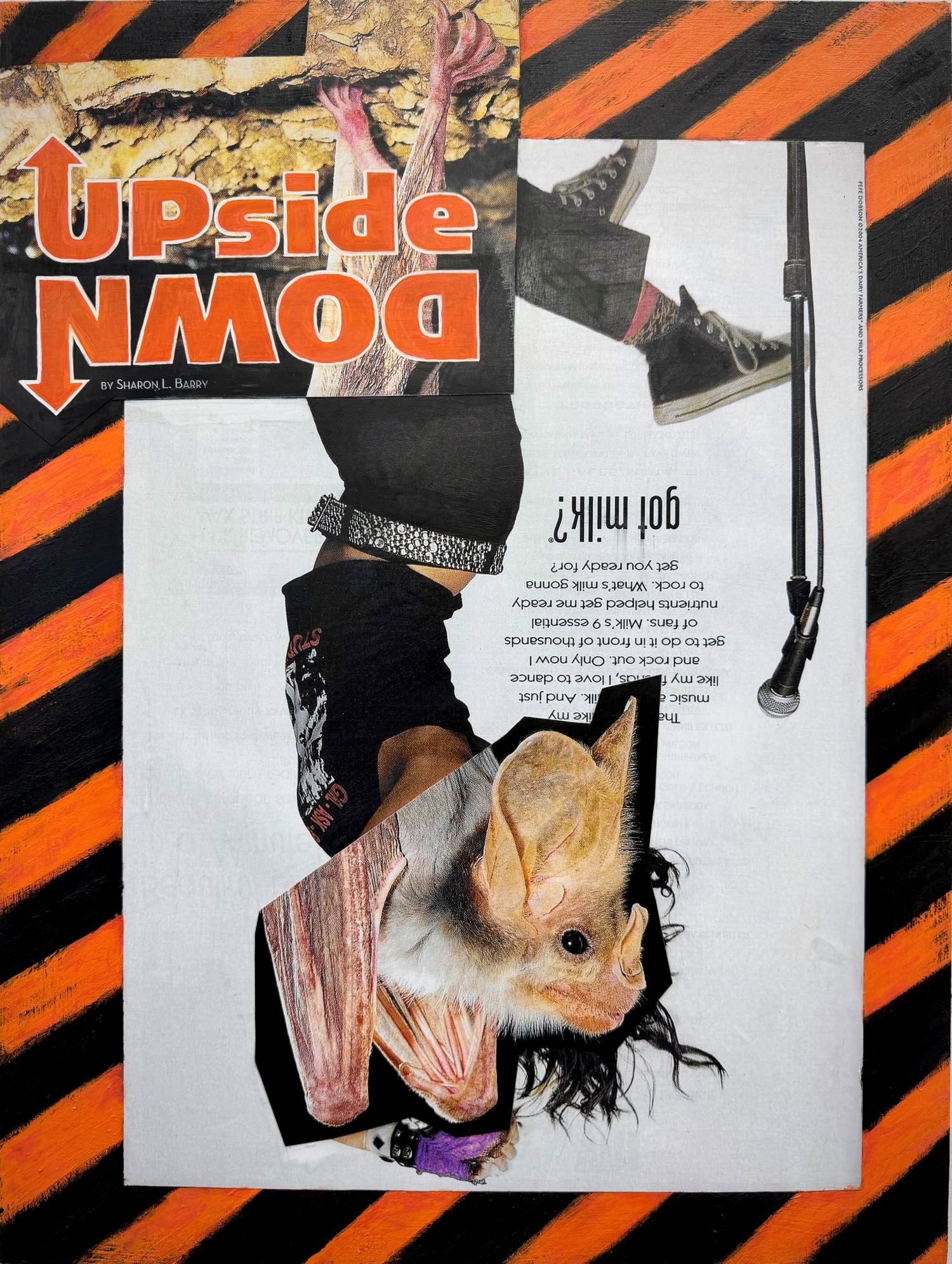
Marika Thunder
Upside Down Girl
2026
Acrylic and inkjet print on wood panel
61 × 46 cm (24 × 18 in.)
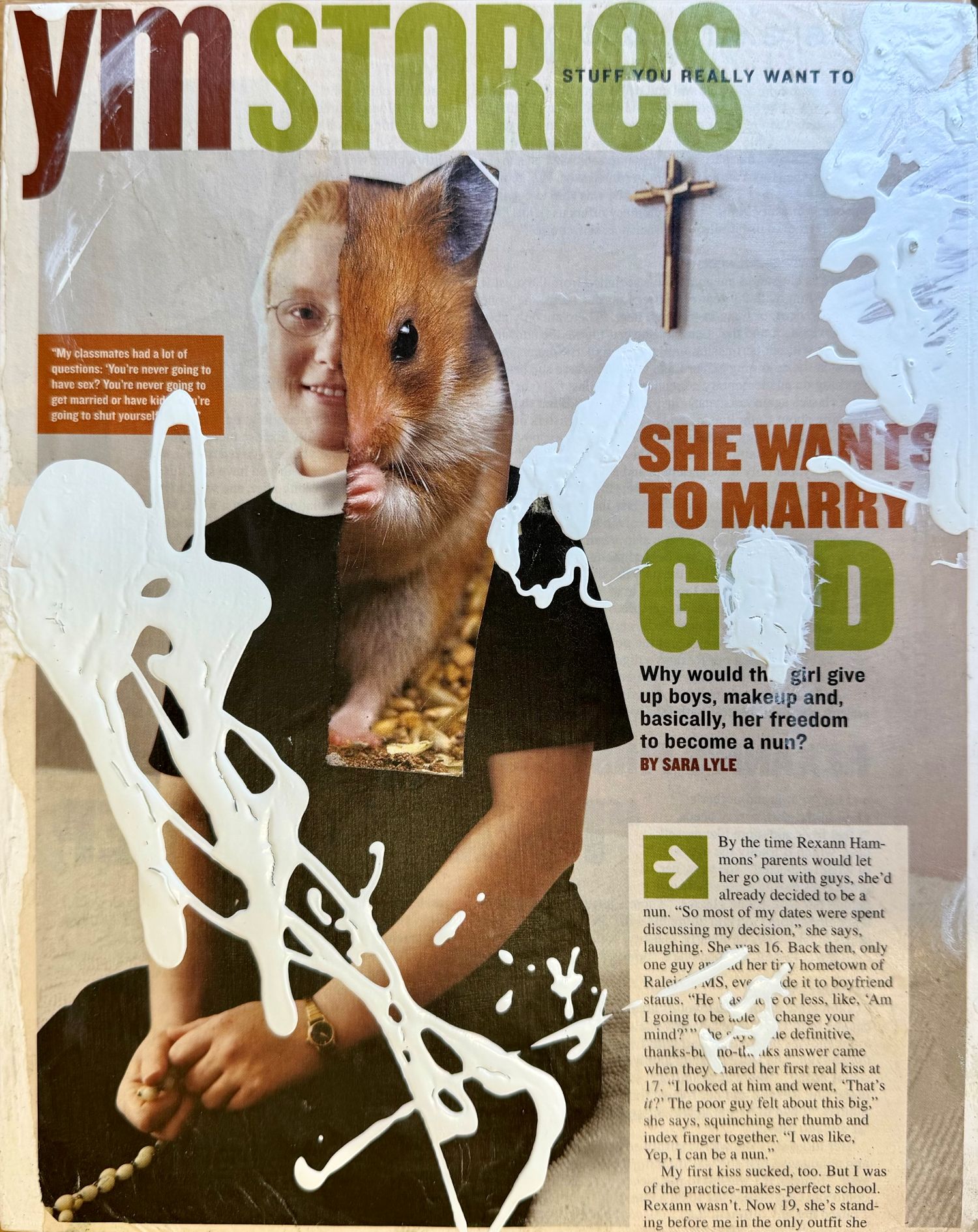
Marika Thunder
Christian Girl
2026
Acrylic and magazine print on wood panel
25 × 20 cm (10 × 8 in.)
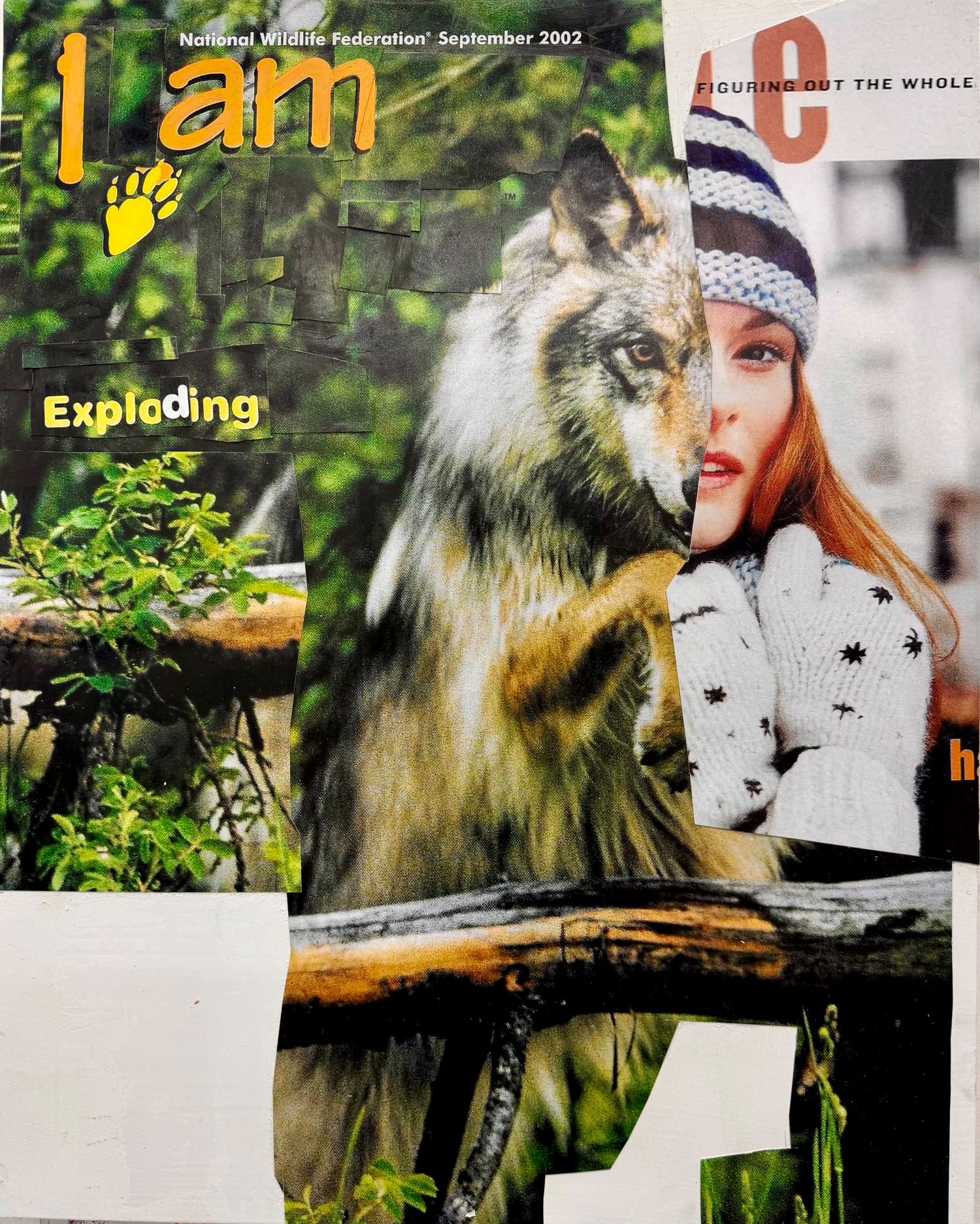
Marika Thunder
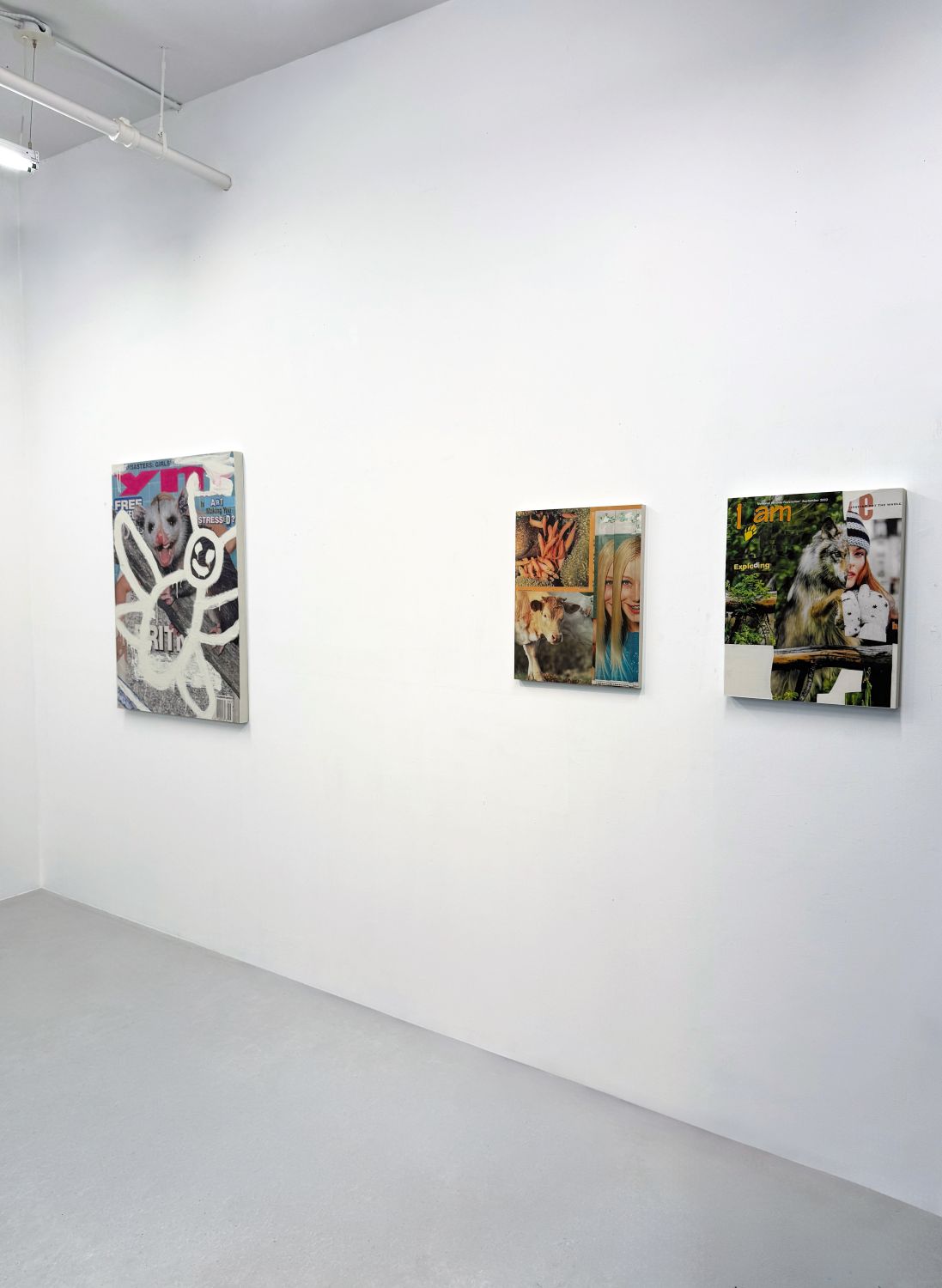
I Am Exploding
2026
Acrylic and magazine print on wood panel
51 × 41 cm (20 × 16 in.)
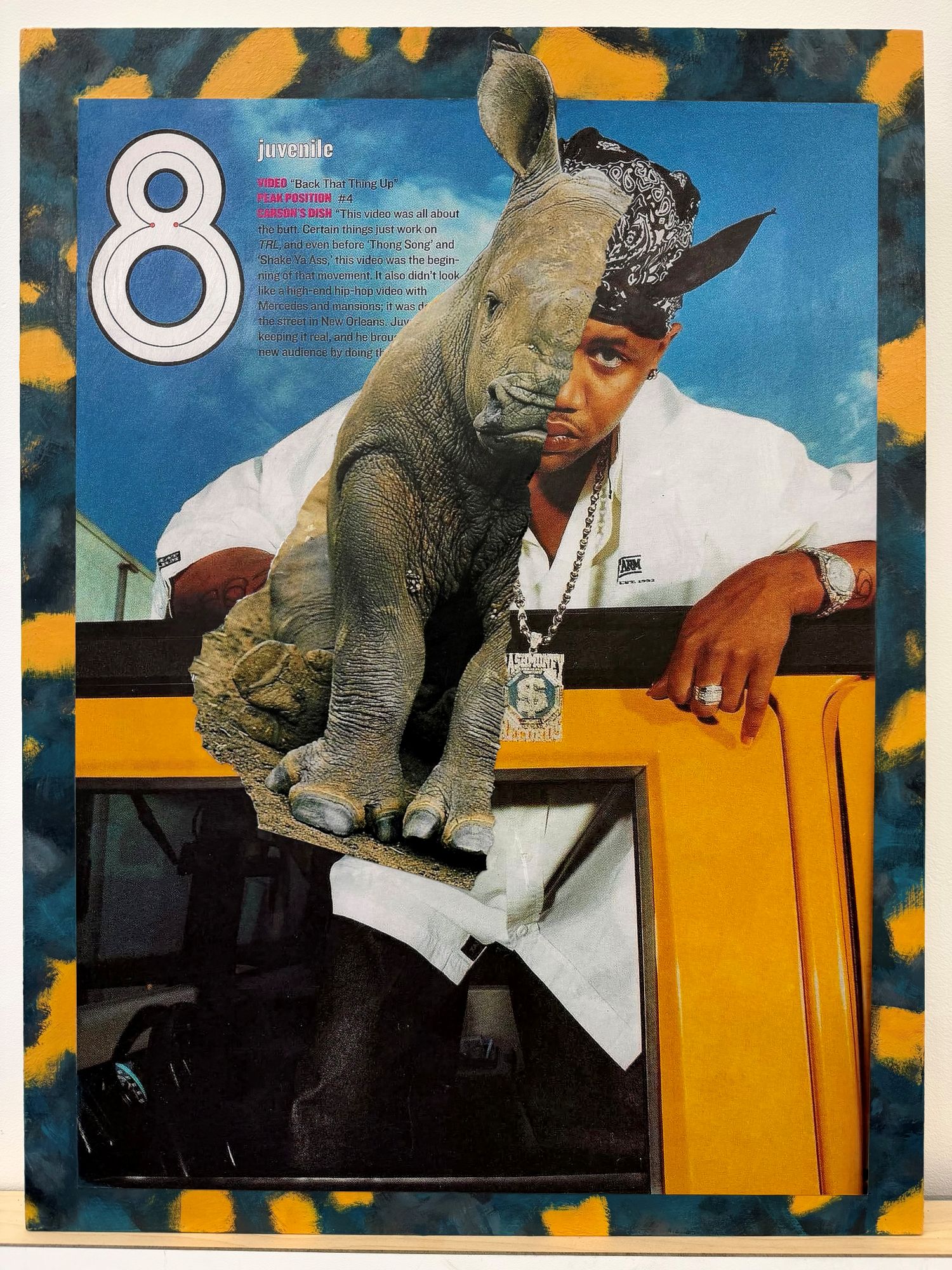
Marika Thunder
Rhino Boy
2026
Acrylic and magazine print on wood panel
61 × 46 cm (24 × 18 in.)
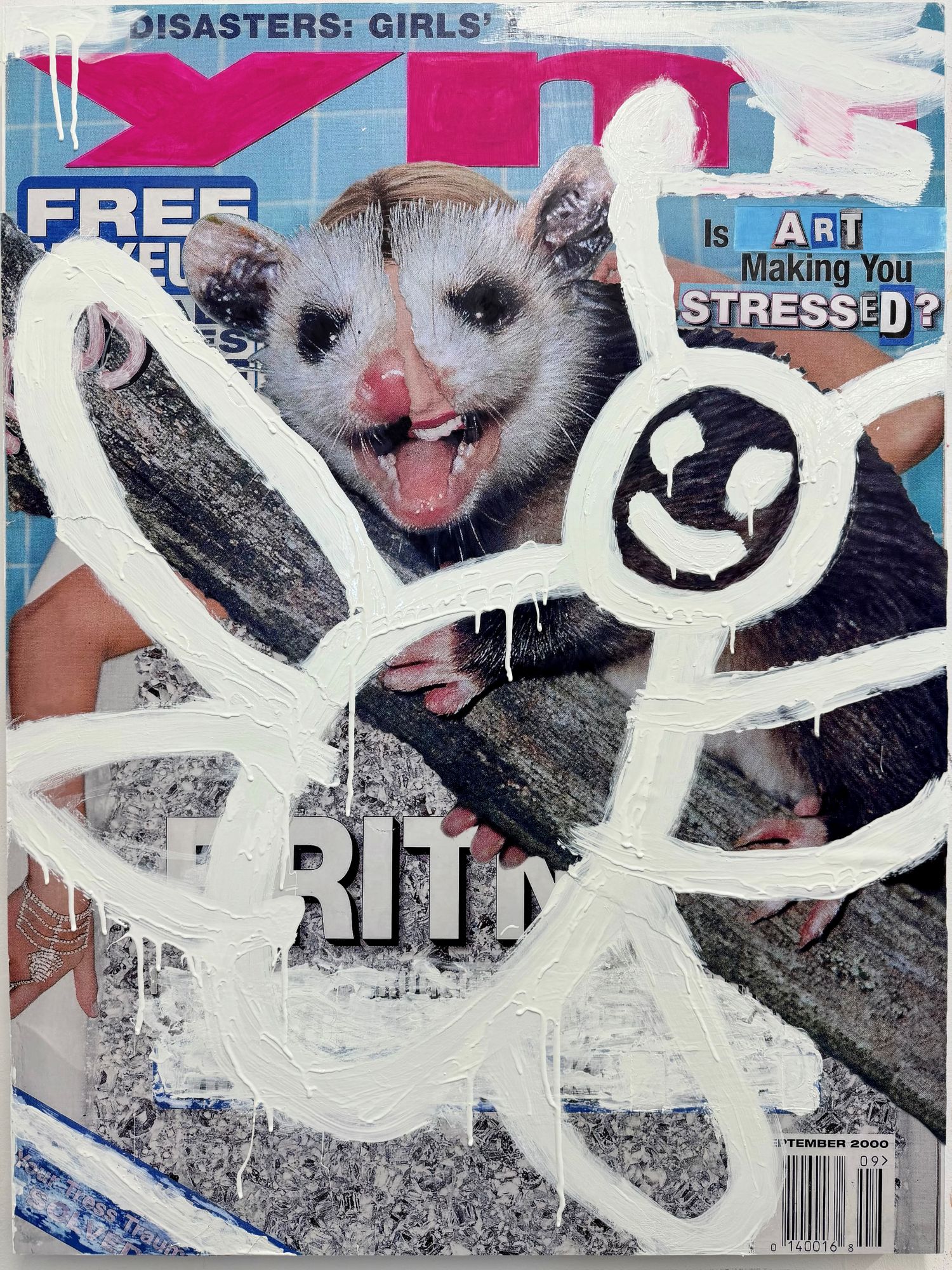
Marika Thunder
Disaster Girl
2026
Acrylic, enamel paint, and inkjet print on panel
102 × 76 cm (40 × 30 in.)
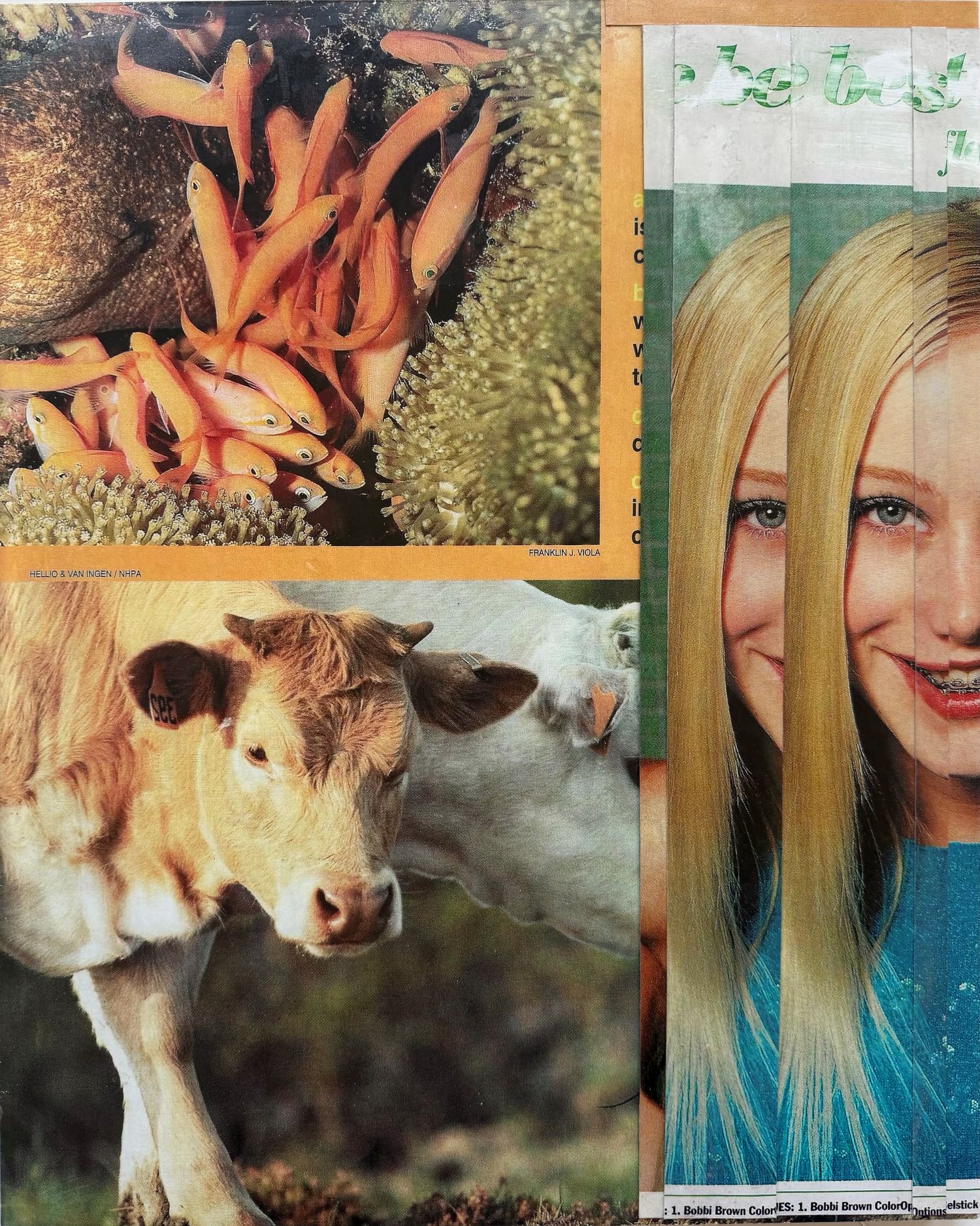
Marika Thunder
Cowgirl
2026
Acrylic and inkjet print on panel
51 × 41 cm (20 × 16 in.)
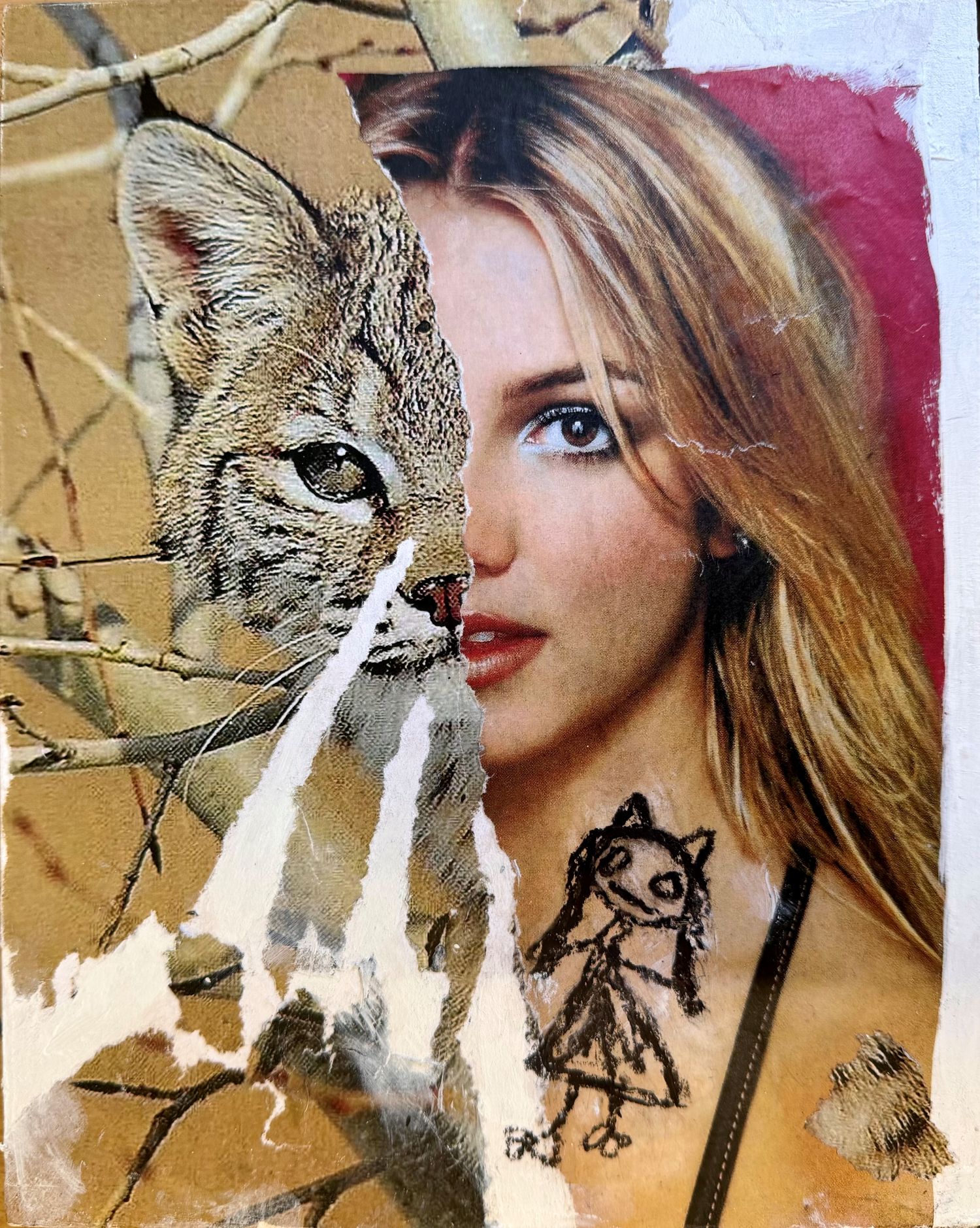
Marika Thunder
Cat Girl
2026
Acrylic and magazine print on wood panel
25 × 20 cm (10 × 8 in.)
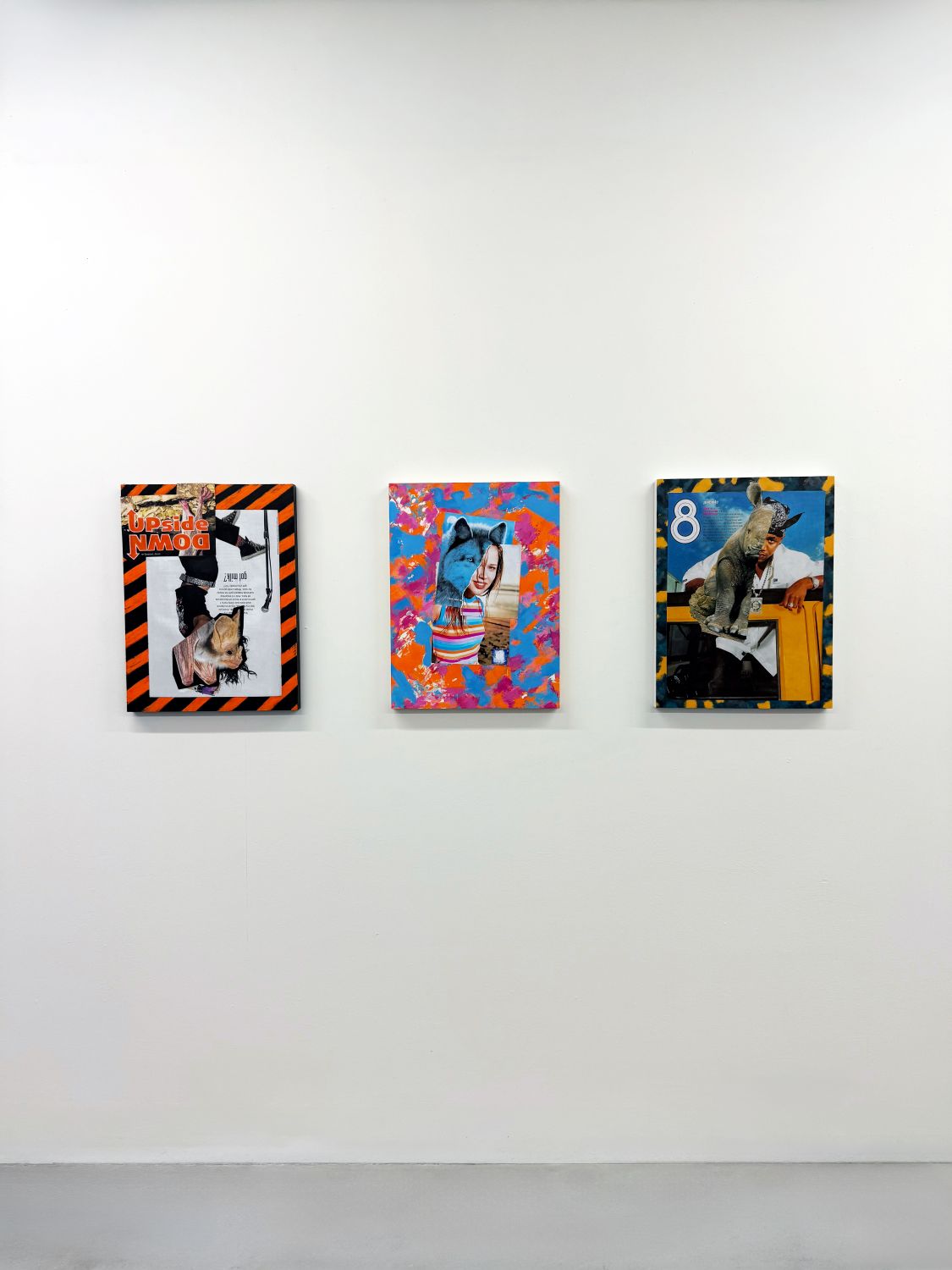
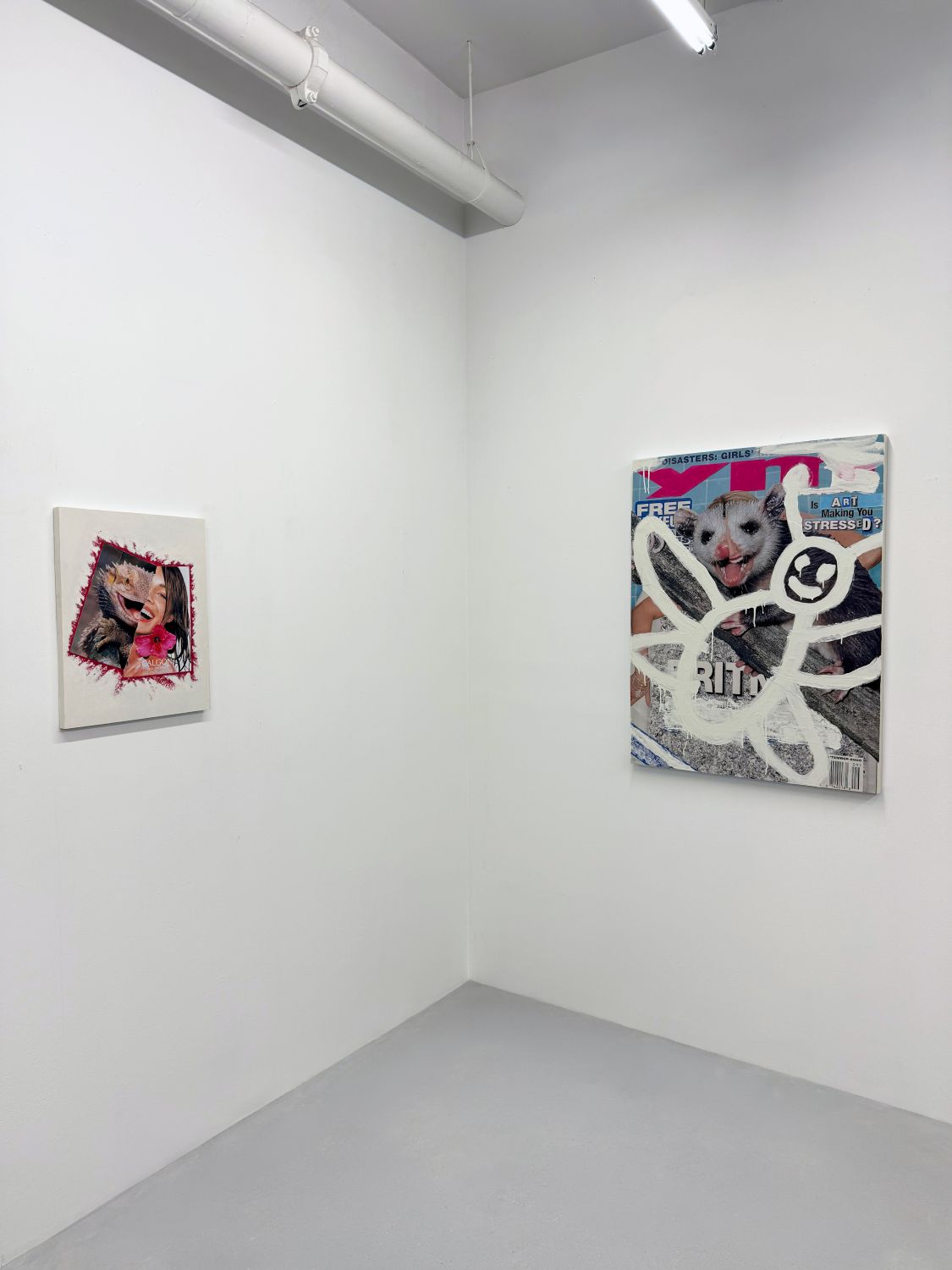
Hoffmann Maler Wallenberg
88 Eldridge Street, Floor 5
New York, NY
Opening: May 28, 2026, 6–8 pm
Hours: Wednesday–Sunday, 11 am–6 pm
Hoffmann Maler Wallenberg is pleased to present NLTOG (Not Like The Other Girls), a new body of collages by New York–based artist Marika Thunder. Taking place May 28 through June 14, 2026, at HMW’s temporary gallery on Eldridge Street on the Lower East Side, the exhibition marks the artist’s second presentation with the gallery.
While in recent years Thunder has focused on and become known for her paintings of machines, vehicles, and industrial fragments, this exhibition turns to collage, a medium she has developed in parallel to her painting for several years. The shift is not a departure but a reconfiguration, carrying forward her interest in construction, identity, and transformation through a different set of materials and operations.
Thunder’s collages occupy a space where images are no longer stable carriers of meaning but sites of disruption. Drawn from fragments of mass media, they present figures that feel both constructed and split, at once familiar and estranged. In this, her work follows a lineage of collage that uses appropriation and fragmentation to unsettle representation, recalling the incisive strategies of Hannah Höch and Linder Sterling, where identity is assembled, destabilized, and made visibly contingent.
At the core of Thunder’s practice is an attention to how identity is assembled through images. By cutting, aligning, and recombining, the artist brings together elements that carry distinct cultural codes, only to unsettle them through proximity. Recognition is immediate but incomplete, producing a tension between legibility and dislocation.
Her new series carries a sharp, almost graphic intensity. The cuts are direct and precise, yet what they produce resists resolution. The compositions feel both deliberate and unstable, guided by a logic that is associative rather than narrative. Images do not illustrate but collide, generating a persistent friction between coherence and fragmentation. Material plays a central role. Edges remain visible, seams are emphasized, and the act of cutting becomes structural rather than incidental. Thunder foregrounds the mechanics of construction, allowing the viewer to register how the image is made and unmade at once. This produces a sense of immediacy, as if the work were caught mid-formation.
If Thunder’s paintings approached the body through machinery and systems, these collages shift the focus toward image culture itself as a site of projection and control. The figures suggest identities that are assembled, performed, and destabilized, caught between desire and distortion. The work remains invested in transformation, now articulated through the circulation and manipulation of images.
The collages are shaped by an interest in a division long explored in psychology and mysticism: the split between the human and the animal self. Moving between instinct and consciousness, impulse and reflection, they seek not to resolve this tension but to inhabit it. Fragmented and reassembled, the works become a space where the primal and the contemplative, the bodily and the spiritual, are brought into provisional alignment.
Marika Thunder (b. 1998, New York) has had solo presentations at M. LeBlanc, Chicago (2026); Profil, Paris (2026); Caprii Room, Düsseldorf (2025); National Arts Club, New York (2024); Hoffmann Maler Wallenberg and Micki Meng, New York (2024); Nina Johnson, Miami (2023); and Nino Mier Gallery, Los Angeles (2022). She lives and works in New York.
Hoffmann Maler Wallenberg
88 Eldridge Street, Floor 5
New York, NY
Opening: May 28, 2026, 6–8 pm
Hours: Wednesday–Sunday, 11 am–6 pm
Hoffmann Maler Wallenberg is pleased to present NLTOG (Not Like The Other Girls), a new body of collages by New York–based artist Marika Thunder. Taking place May 28 through June 14, 2026, at HMW’s temporary gallery on Eldridge Street on the Lower East Side, the exhibition marks the artist’s second presentation with the gallery.
While in recent years Thunder has focused on and become known for her paintings of machines, vehicles, and industrial fragments, this exhibition turns to collage, a medium she has developed in parallel to her painting for several years. The shift is not a departure but a reconfiguration, carrying forward her interest in construction, identity, and transformation through a different set of materials and operations.
Thunder’s collages occupy a space where images are no longer stable carriers of meaning but sites of disruption. Drawn from fragments of mass media, they present figures that feel both constructed and split, at once familiar and estranged. In this, her work follows a lineage of collage that uses appropriation and fragmentation to unsettle representation, recalling the incisive strategies of Hannah Höch and Linder Sterling, where identity is assembled, destabilized, and made visibly contingent.
At the core of Thunder’s practice is an attention to how identity is assembled through images. By cutting, aligning, and recombining, the artist brings together elements that carry distinct cultural codes, only to unsettle them through proximity. Recognition is immediate but incomplete, producing a tension between legibility and dislocation.
Her new series carries a sharp, almost graphic intensity. The cuts are direct and precise, yet what they produce resists resolution. The compositions feel both deliberate and unstable, guided by a logic that is associative rather than narrative. Images do not illustrate but collide, generating a persistent friction between coherence and fragmentation. Material plays a central role. Edges remain visible, seams are emphasized, and the act of cutting becomes structural rather than incidental. Thunder foregrounds the mechanics of construction, allowing the viewer to register how the image is made and unmade at once. This produces a sense of immediacy, as if the work were caught mid-formation.
If Thunder’s paintings approached the body through machinery and systems, these collages shift the focus toward image culture itself as a site of projection and control. The figures suggest identities that are assembled, performed, and destabilized, caught between desire and distortion. The work remains invested in transformation, now articulated through the circulation and manipulation of images.
The collages are shaped by an interest in a division long explored in psychology and mysticism: the split between the human and the animal self. Moving between instinct and consciousness, impulse and reflection, they seek not to resolve this tension but to inhabit it. Fragmented and reassembled, the works become a space where the primal and the contemplative, the bodily and the spiritual, are brought into provisional alignment.
Marika Thunder (b. 1998, New York) has had solo presentations at M. LeBlanc, Chicago (2026); Profil, Paris (2026); Caprii Room, Düsseldorf (2025); National Arts Club, New York (2024); Hoffmann Maler Wallenberg and Micki Meng, New York (2024); Nina Johnson, Miami (2023); and Nino Mier Gallery, Los Angeles (2022). She lives and works in New York.
Hoffmann Maler Wallenberg
88 Eldridge Street, Floor 5
New York, NY
Opening: May 28, 2026, 6–8 pm
Hours: Wednesday–Sunday, 11 am–6 pm
Hoffmann Maler Wallenberg is pleased to present NLTOG (Not Like The Other Girls), a new body of collages by New York–based artist Marika Thunder. Taking place May 28 through June 14, 2026, at HMW’s temporary gallery on Eldridge Street on the Lower East Side, the exhibition marks the artist’s second presentation with the gallery.
While in recent years Thunder has focused on and become known for her paintings of machines, vehicles, and industrial fragments, this exhibition turns to collage, a medium she has developed in parallel to her painting for several years. The shift is not a departure but a reconfiguration, carrying forward her interest in construction, identity, and transformation through a different set of materials and operations.
Thunder’s collages occupy a space where images are no longer stable carriers of meaning but sites of disruption. Drawn from fragments of mass media, they present figures that feel both constructed and split, at once familiar and estranged. In this, her work follows a lineage of collage that uses appropriation and fragmentation to unsettle representation, recalling the incisive strategies of Hannah Höch and Linder Sterling, where identity is assembled, destabilized, and made visibly contingent.
At the core of Thunder’s practice is an attention to how identity is assembled through images. By cutting, aligning, and recombining, the artist brings together elements that carry distinct cultural codes, only to unsettle them through proximity. Recognition is immediate but incomplete, producing a tension between legibility and dislocation.
Her new series carries a sharp, almost graphic intensity. The cuts are direct and precise, yet what they produce resists resolution. The compositions feel both deliberate and unstable, guided by a logic that is associative rather than narrative. Images do not illustrate but collide, generating a persistent friction between coherence and fragmentation. Material plays a central role. Edges remain visible, seams are emphasized, and the act of cutting becomes structural rather than incidental. Thunder foregrounds the mechanics of construction, allowing the viewer to register how the image is made and unmade at once. This produces a sense of immediacy, as if the work were caught mid-formation.
If Thunder’s paintings approached the body through machinery and systems, these collages shift the focus toward image culture itself as a site of projection and control. The figures suggest identities that are assembled, performed, and destabilized, caught between desire and distortion. The work remains invested in transformation, now articulated through the circulation and manipulation of images.
The collages are shaped by an interest in a division long explored in psychology and mysticism: the split between the human and the animal self. Moving between instinct and consciousness, impulse and reflection, they seek not to resolve this tension but to inhabit it. Fragmented and reassembled, the works become a space where the primal and the contemplative, the bodily and the spiritual, are brought into provisional alignment.
Marika Thunder (b. 1998, New York) has had solo presentations at M. LeBlanc, Chicago (2026); Profil, Paris (2026); Caprii Room, Düsseldorf (2025); National Arts Club, New York (2024); Hoffmann Maler Wallenberg and Micki Meng, New York (2024); Nina Johnson, Miami (2023); and Nino Mier Gallery, Los Angeles (2022). She lives and works in New York.
Hoffmann Maler Wallenberg
88 Eldridge Street, Floor 5
New York, NY
Opening: May 28, 2026, 6–8 pm
Hours: Wednesday–Sunday, 11 am–6 pm
Hoffmann Maler Wallenberg is pleased to present NLTOG (Not Like The Other Girls), a new body of collages by New York–based artist Marika Thunder. Taking place May 28 through June 14, 2026, at HMW’s temporary gallery on Eldridge Street on the Lower East Side, the exhibition marks the artist’s second presentation with the gallery.
While in recent years Thunder has focused on and become known for her paintings of machines, vehicles, and industrial fragments, this exhibition turns to collage, a medium she has developed in parallel to her painting for several years. The shift is not a departure but a reconfiguration, carrying forward her interest in construction, identity, and transformation through a different set of materials and operations.
Thunder’s collages occupy a space where images are no longer stable carriers of meaning but sites of disruption. Drawn from fragments of mass media, they present figures that feel both constructed and split, at once familiar and estranged. In this, her work follows a lineage of collage that uses appropriation and fragmentation to unsettle representation, recalling the incisive strategies of Hannah Höch and Linder Sterling, where identity is assembled, destabilized, and made visibly contingent.
At the core of Thunder’s practice is an attention to how identity is assembled through images. By cutting, aligning, and recombining, the artist brings together elements that carry distinct cultural codes, only to unsettle them through proximity. Recognition is immediate but incomplete, producing a tension between legibility and dislocation.
Her new series carries a sharp, almost graphic intensity. The cuts are direct and precise, yet what they produce resists resolution. The compositions feel both deliberate and unstable, guided by a logic that is associative rather than narrative. Images do not illustrate but collide, generating a persistent friction between coherence and fragmentation. Material plays a central role. Edges remain visible, seams are emphasized, and the act of cutting becomes structural rather than incidental. Thunder foregrounds the mechanics of construction, allowing the viewer to register how the image is made and unmade at once. This produces a sense of immediacy, as if the work were caught mid-formation.
If Thunder’s paintings approached the body through machinery and systems, these collages shift the focus toward image culture itself as a site of projection and control. The figures suggest identities that are assembled, performed, and destabilized, caught between desire and distortion. The work remains invested in transformation, now articulated through the circulation and manipulation of images.
The collages are shaped by an interest in a division long explored in psychology and mysticism: the split between the human and the animal self. Moving between instinct and consciousness, impulse and reflection, they seek not to resolve this tension but to inhabit it. Fragmented and reassembled, the works become a space where the primal and the contemplative, the bodily and the spiritual, are brought into provisional alignment.
Marika Thunder (b. 1998, New York) has had solo presentations at M. LeBlanc, Chicago (2026); Profil, Paris (2026); Caprii Room, Düsseldorf (2025); National Arts Club, New York (2024); Hoffmann Maler Wallenberg and Micki Meng, New York (2024); Nina Johnson, Miami (2023); and Nino Mier Gallery, Los Angeles (2022). She lives and works in New York.
Marika Thunder
Lizard Girl
2026
Acrylic and inkjet print on wood panel
51 × 41 cm (20 × 16 in.)
Marika Thunder
Wolf Girl
2026
Acrylic and inkjet print on wood panel
61 × 46 cm (24 × 18 in.)
Marika Thunder
Covergirl
2026
Acrylic and inkjet print on wood panel
101.6 × 76.2 cm (40 × 30 in.)
Marika Thunder
Upside Down Girl
2026
Acrylic and inkjet print on wood panel
61 × 46 cm (24 × 18 in.)
Marika Thunder
Christian Girl
2026
Acrylic and magazine print on wood panel
25 × 20 cm (10 × 8 in.)
Marika Thunder
I Am Exploding
2026
Acrylic and magazine print on wood panel
51 × 41 cm (20 × 16 in.)
Marika Thunder
Rhino Boy
2026
Acrylic and magazine print on wood panel
61 × 46 cm (24 × 18 in.)
Marika Thunder
Disaster Girl
2026
Acrylic, enamel paint, and inkjet print on panel
102 × 76 cm (40 × 30 in.)
Marika Thunder
Cowgirl
2026
Acrylic and inkjet print on panel
51 × 41 cm (20 × 16 in.)
Marika Thunder
Cat Girl
2026
Acrylic and magazine print on wood panel
25 × 20 cm (10 × 8 in.)