Facebook
Twitter
WhatsApp
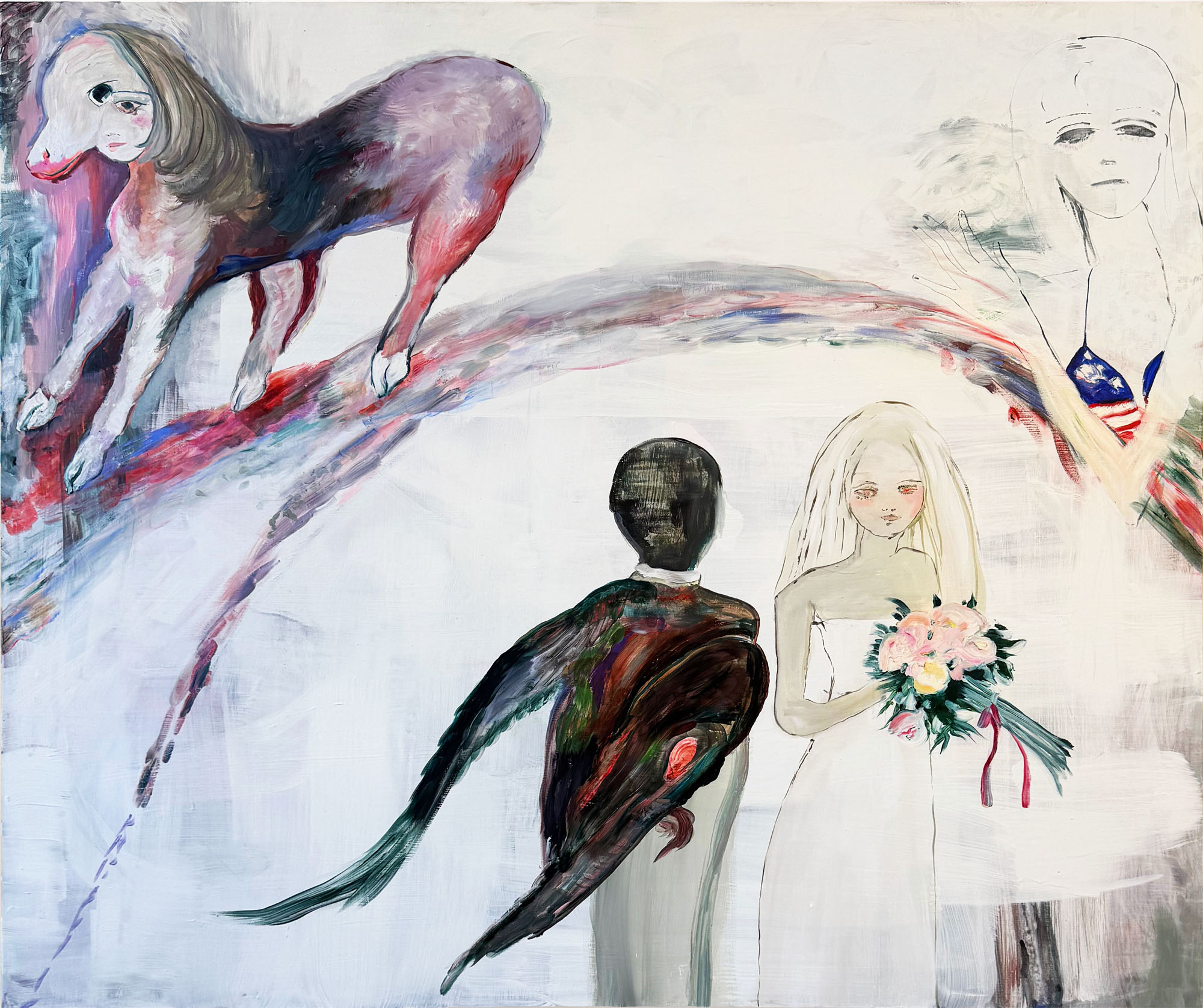
Connor Marie Stankard
Love Stuffed Everything Up
2026
Oil and acrylic on canvas
165 × 191 cm (65 × 75 in.)
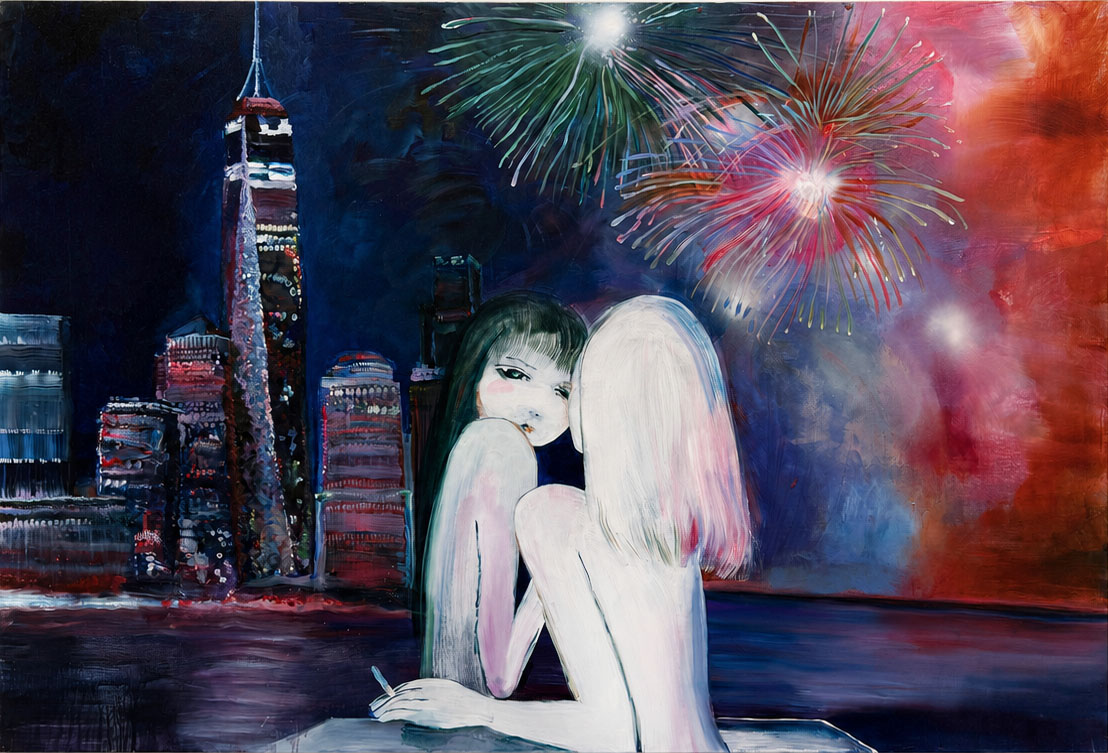
Connor Marie Stankard
You and Me on the Ferry
2026
Oil and acrylic on canvas
122 × 183 cm (48 × 72 in.)
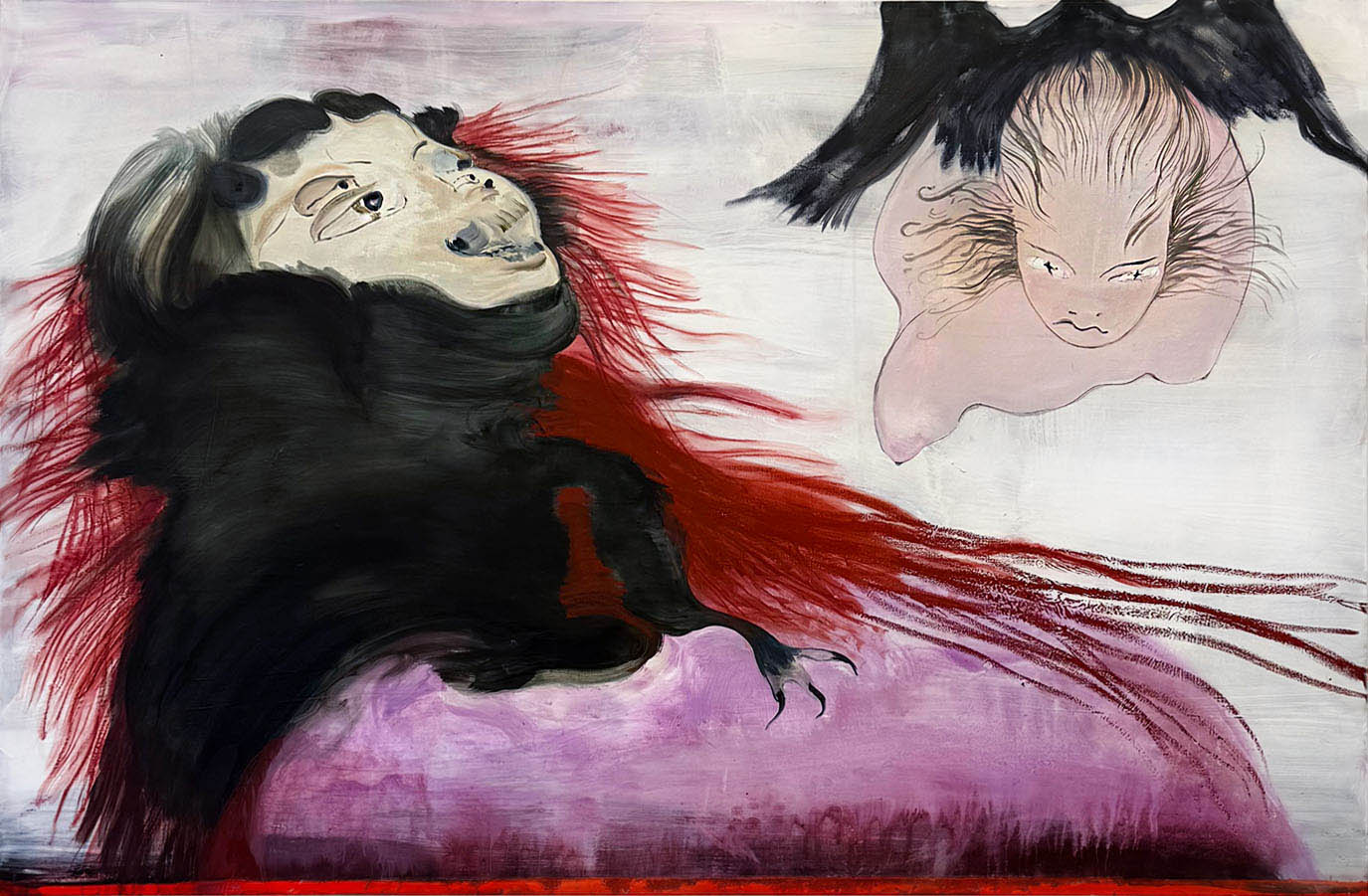
Connor Marie Stankard
Big Open Mouth
2026
Oil, acrylic, fabric, and foam on canvas
122 × 183 cm (48 × 72 in.)
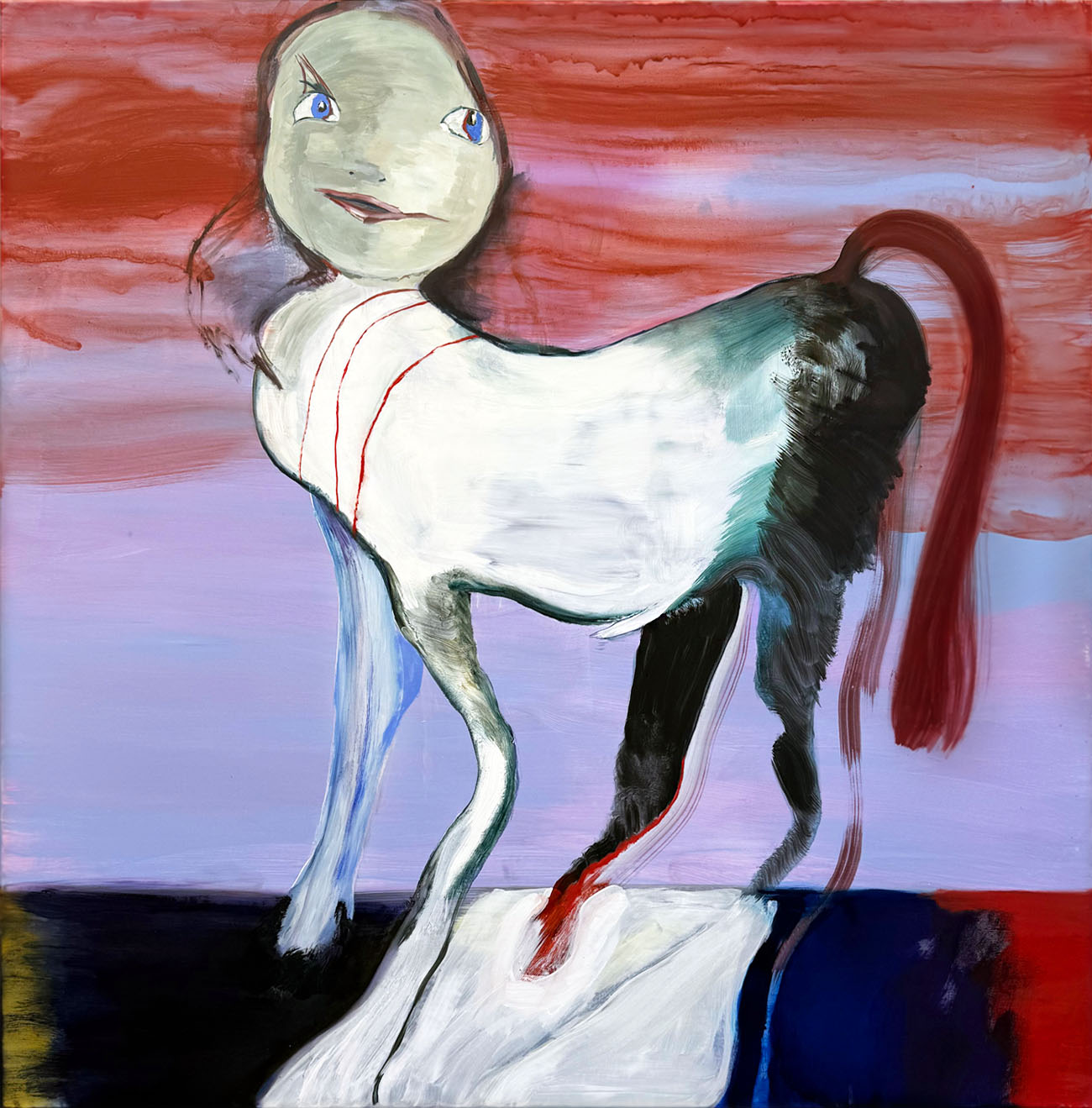
Connor Marie Stankard
Happy Me Piñata
2026
Oil and acrylic on canvas
165 × 165 cm (65 × 65 in.)
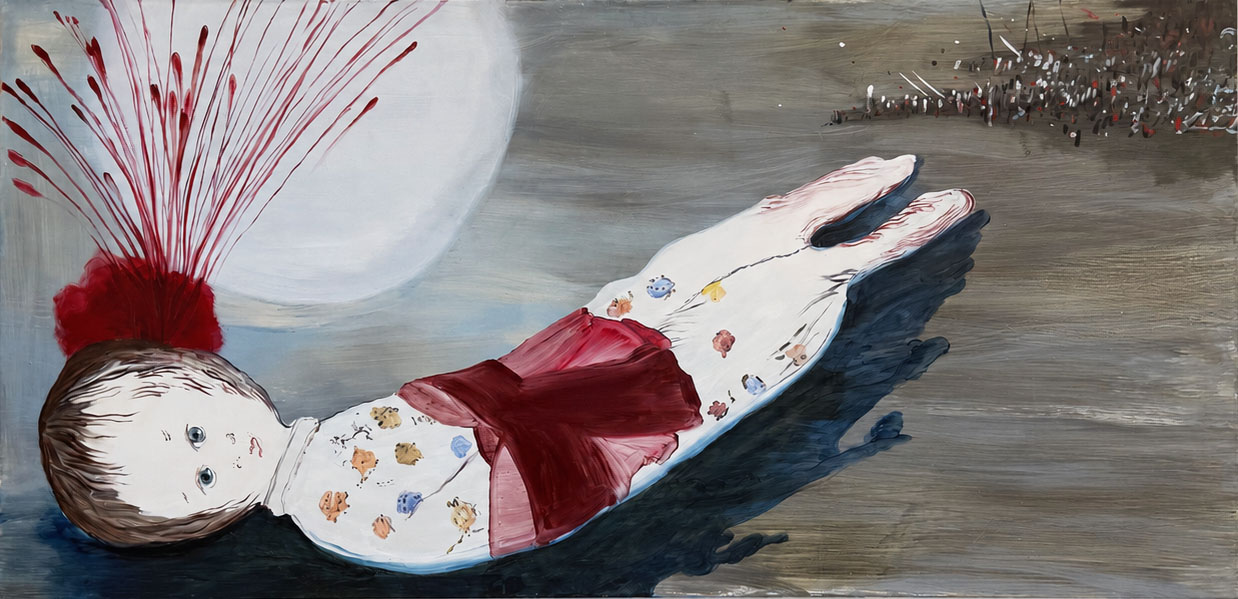
Connor Marie Stankard
I Don’t Die
2026
Oil and acrylic on canvas
203 × 97 cm (80 × 38 in.)
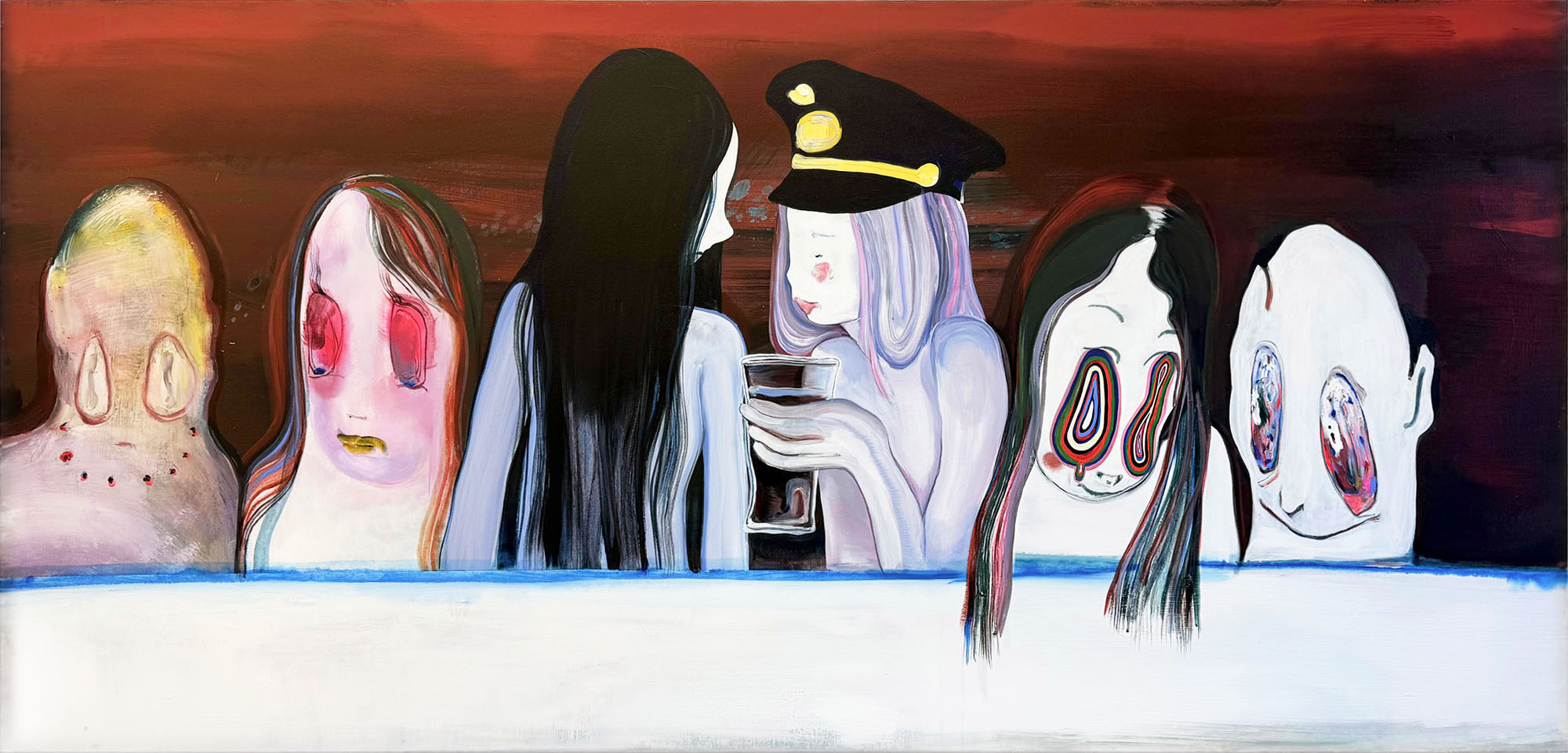
Connor Marie Stankard
Big Barn
2026
Oil and acrylic on canvas
97 × 203 cm (38 × 80 in.)
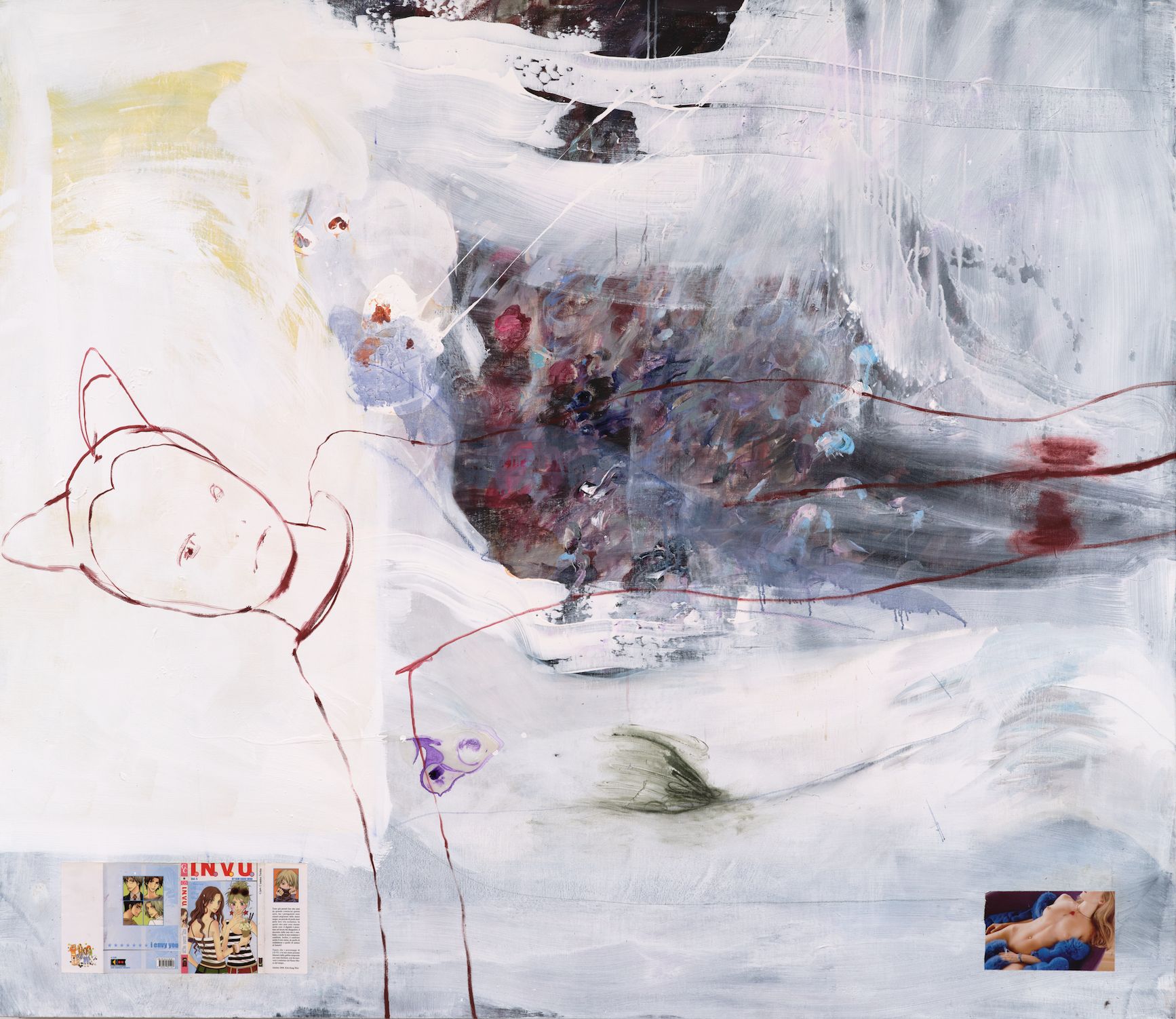
Connor Marie Stankard
Eating Gum
2025
Oil and acrylic on canvas
165.1 × 190.5 cm (65 × 75 in.)
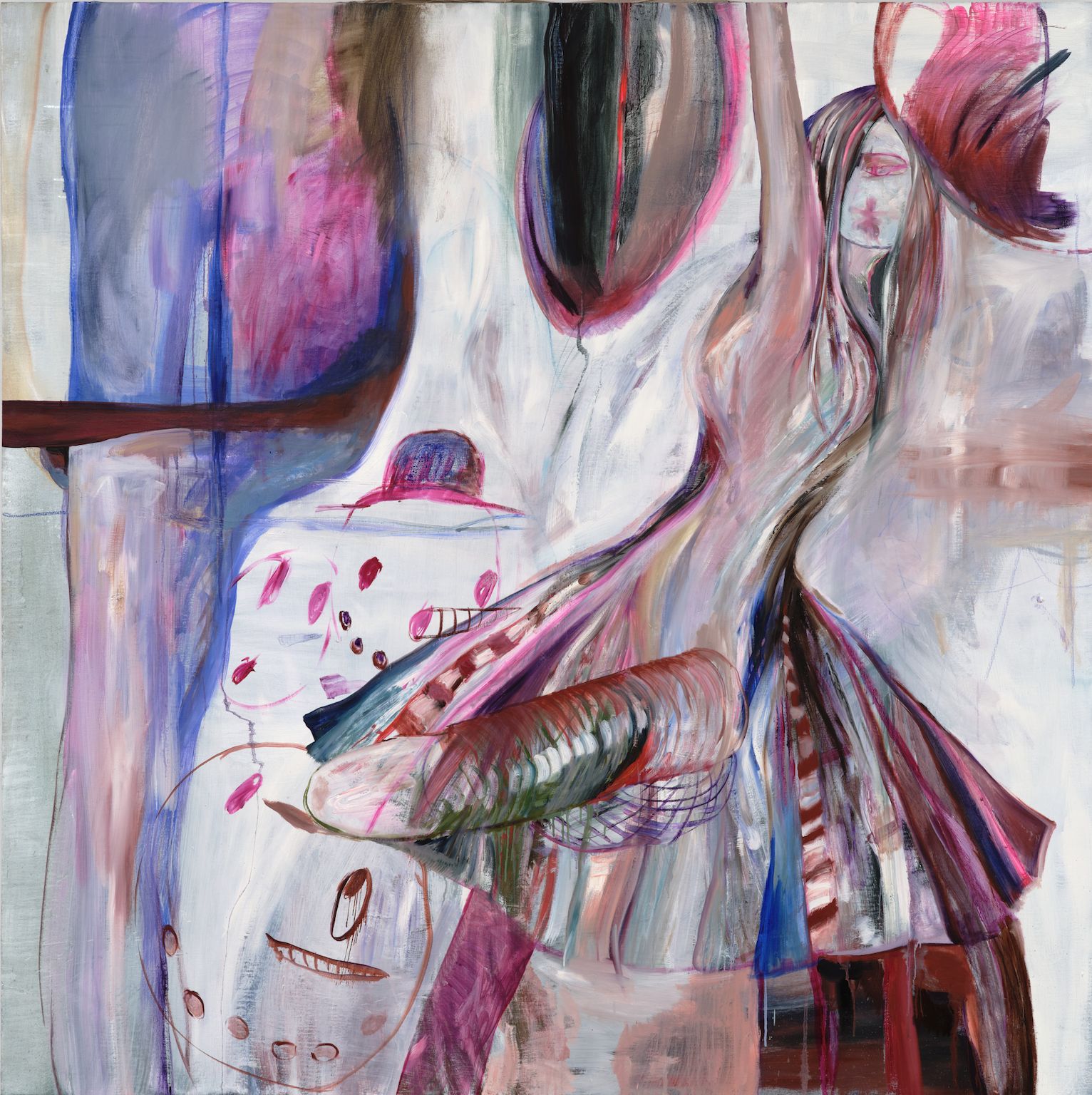
Connor Marie Stankard
Wrong Walk Home All Winter
2025
Oil and acrylic on canvas
165 × 165 cm (65 × 65 in.)
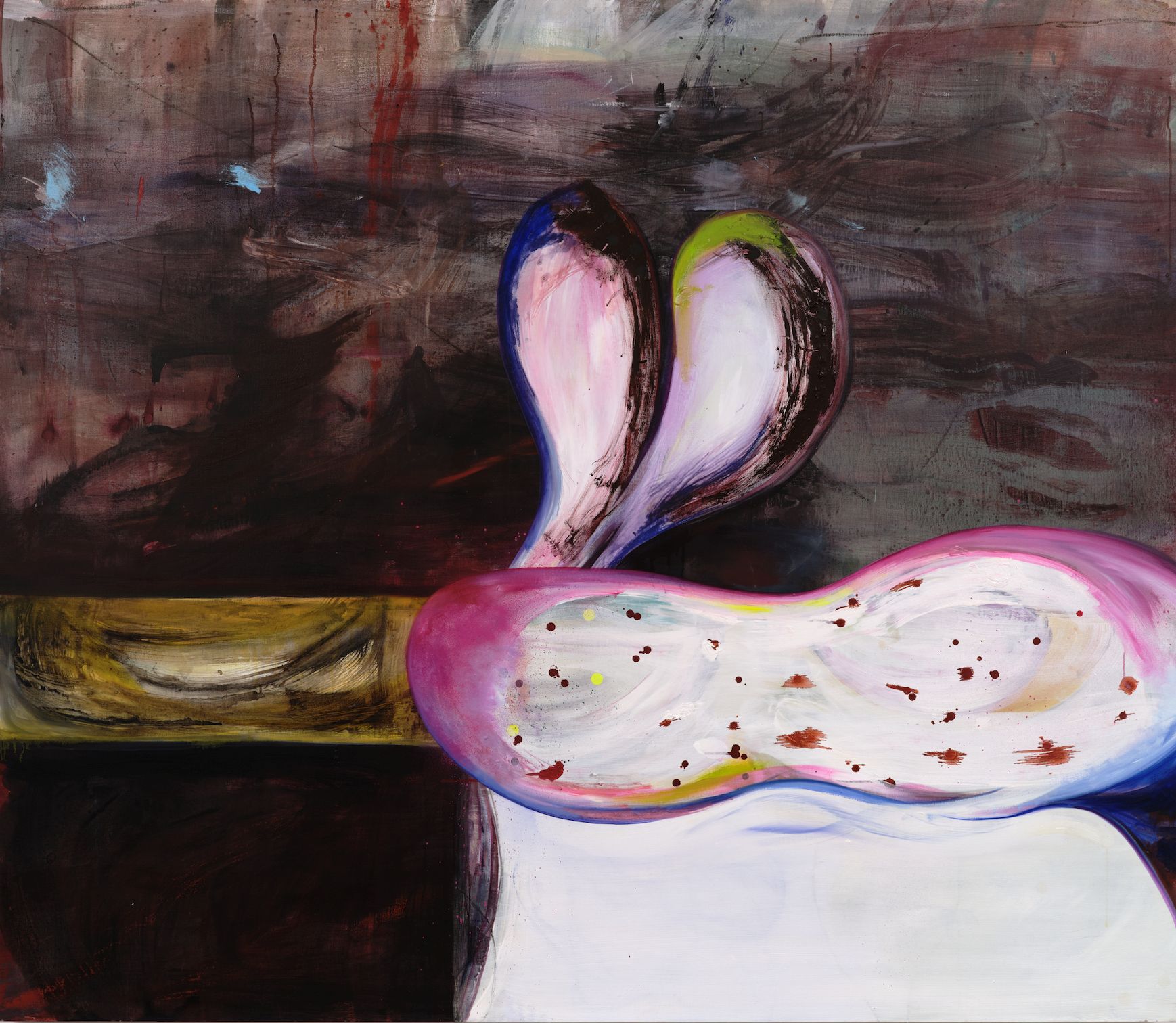
Connor Marie Stankard
Battery Rabbit Birthday Cake
2025
Oil and acrylic on canvas
165.1 × 190.5 cm (65 × 75 in.)
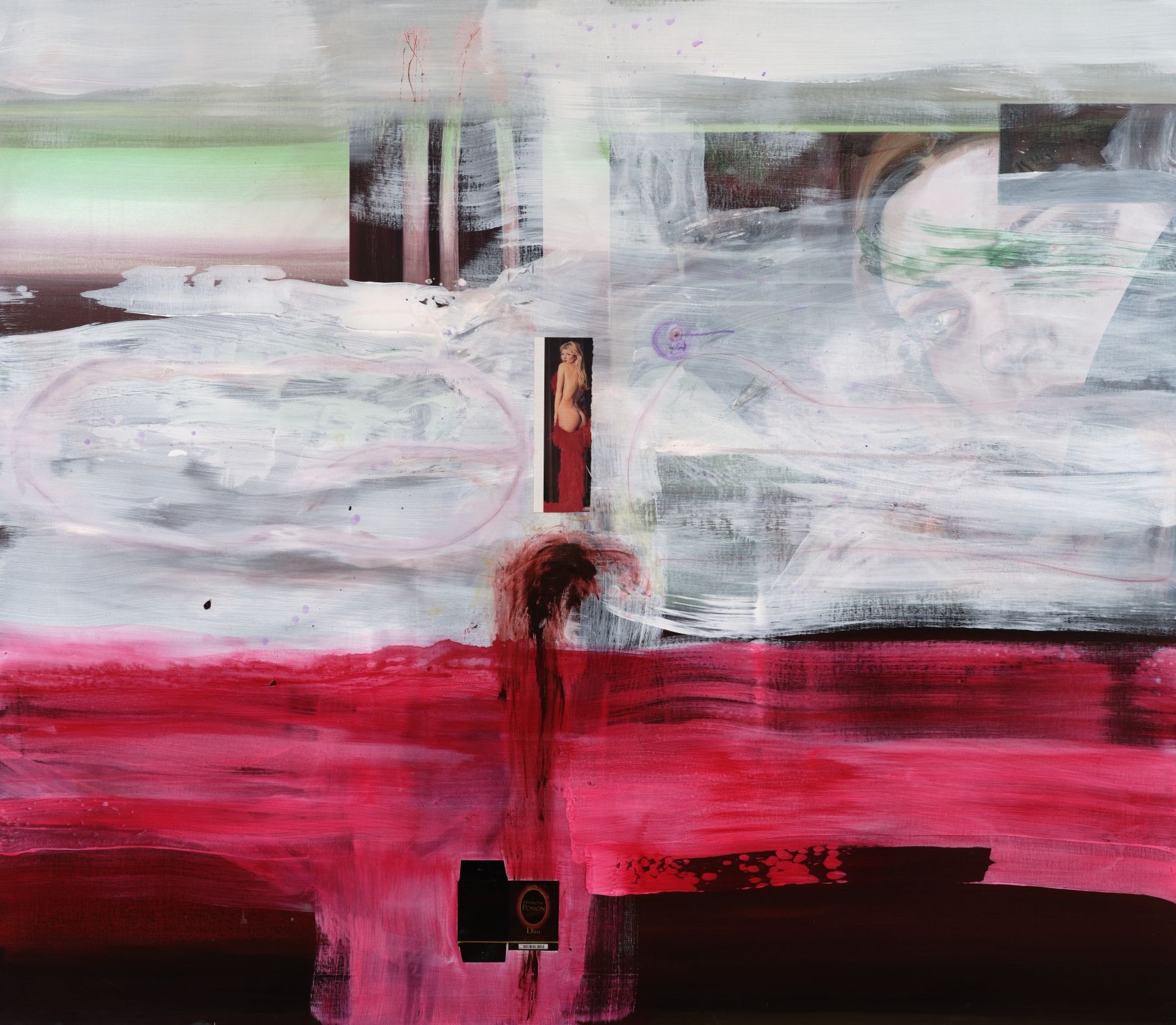
Connor Marie Stankard
Maria Spatchcock
2025
Oil and acrylic on canvas
165 × 191 cm (65 × 75 in.)
Hoffmann Maler Wallenberg
88 Eldridge Street, Floor 5
New York, NY
Opening: May 28, 2026, 6–8 pm
Hours: Wednesday–Sunday, 11 am–6 pm
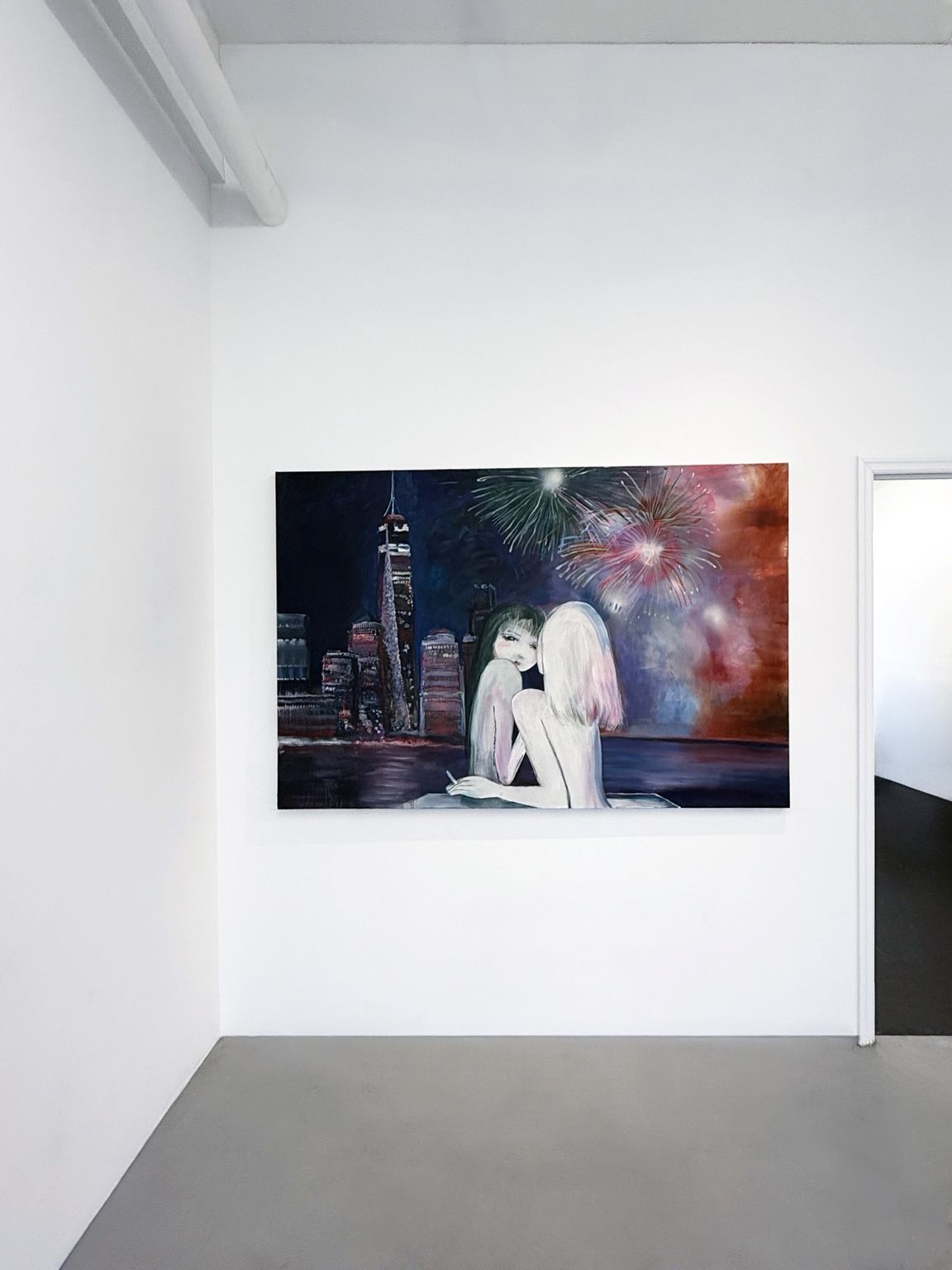
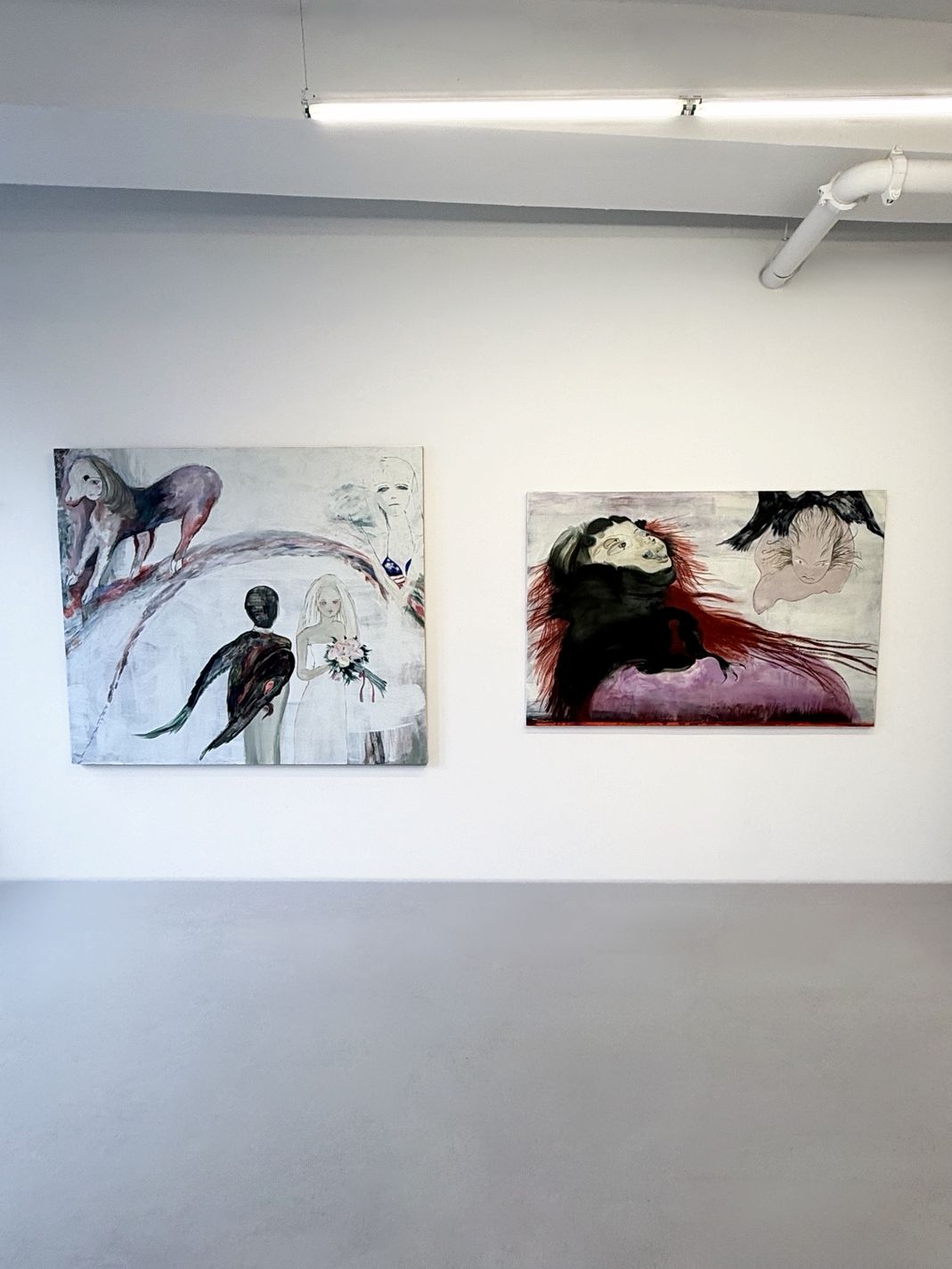
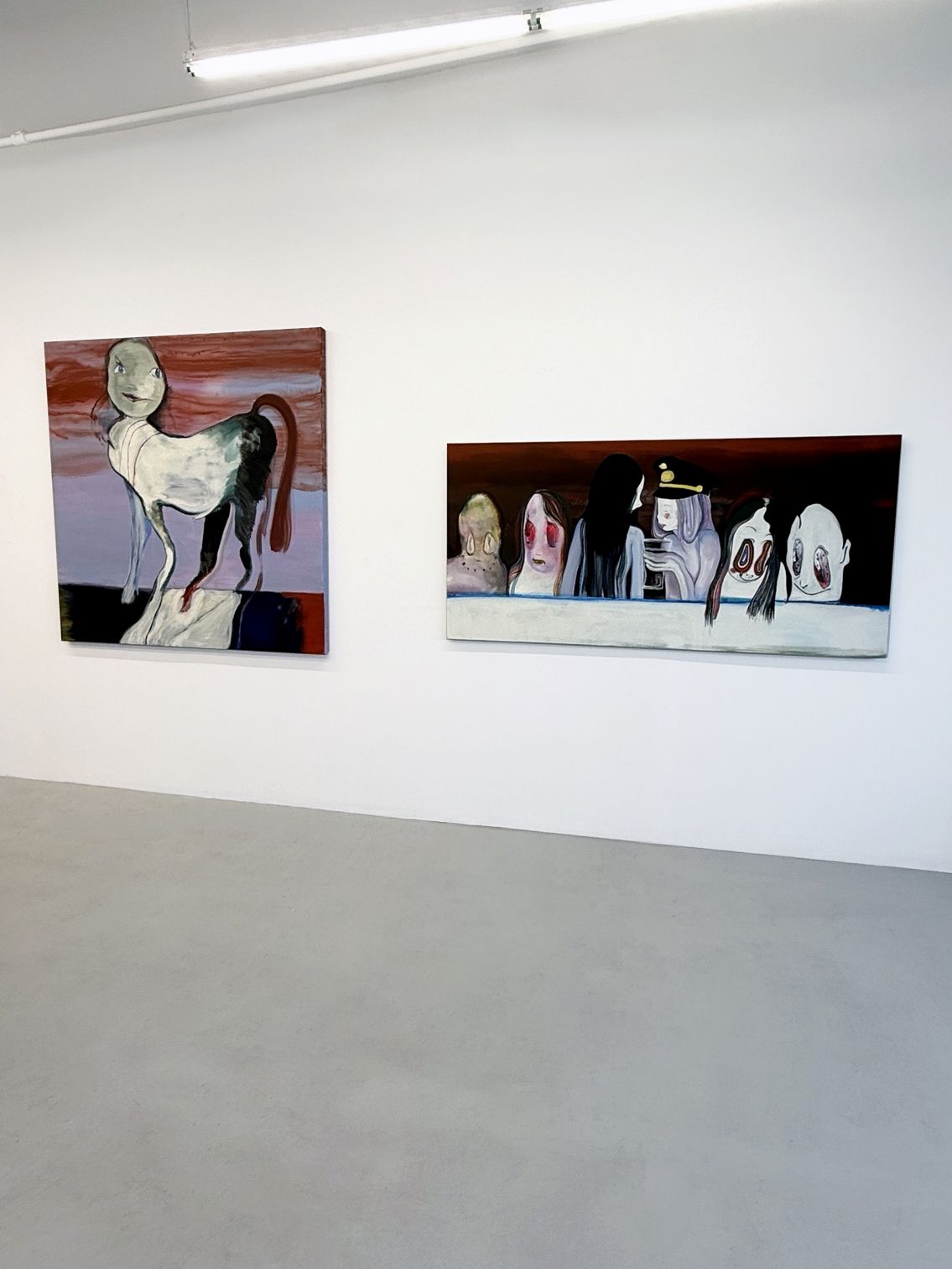
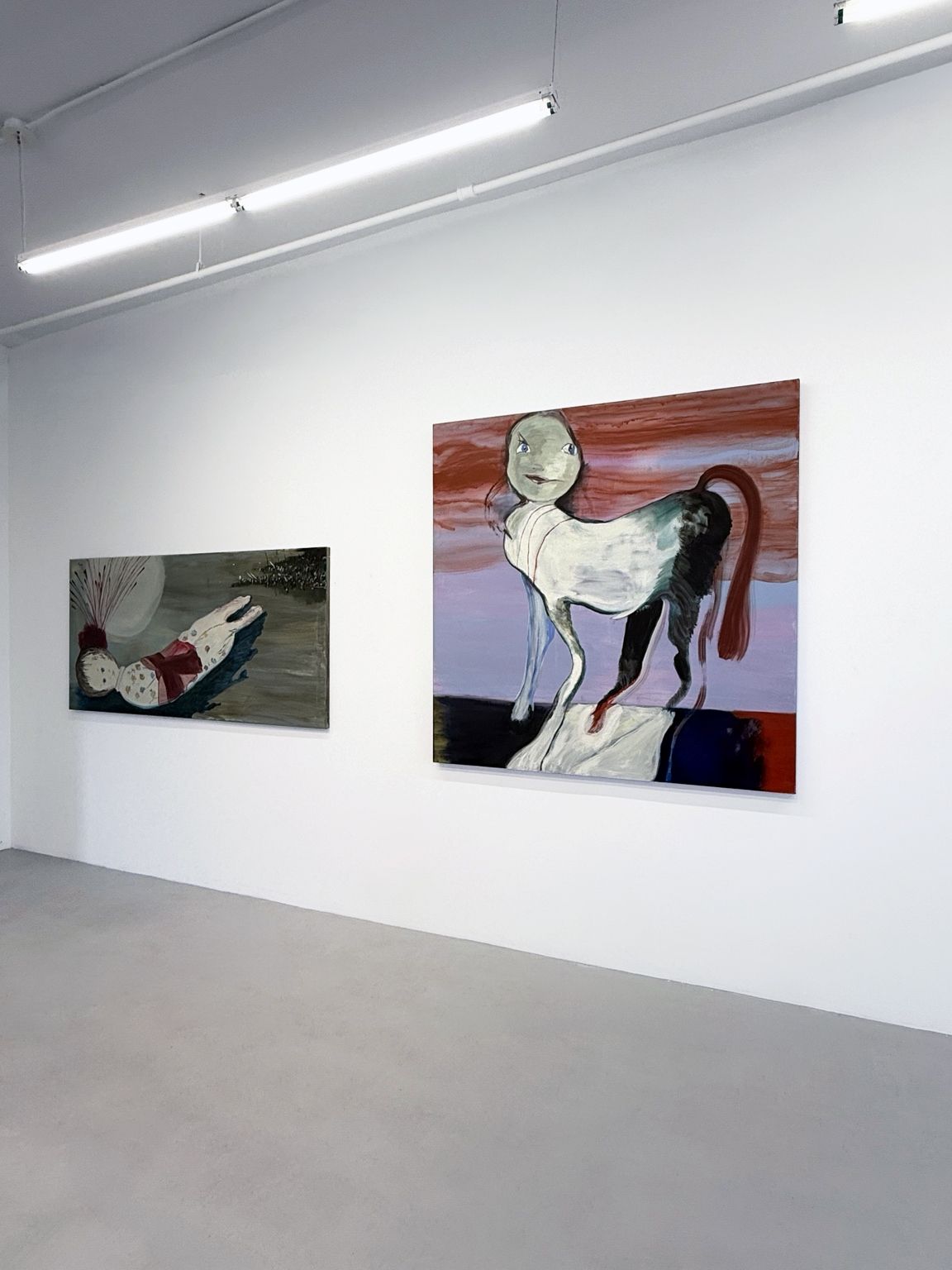
Hoffmann Maler Wallenberg is pleased to announce an exhibition of new paintings by New York–based artist Connor Marie Stankard. On view from May 28 through June 14, 2026, at HMW’s temporary space on Eldridge Street on the Lower East Side, Dummy marks the artist’s first exhibition with the gallery.
Connor Marie Stankard’s paintings emerge from a world in which pleasure has stayed too long at the party. Not pleasure in any innocent sense, but pleasure after midnight, after consequence, after the room has grown warm and the mirrors less reliable. One thinks of the vulgar vitality of Fritz the Cat, with its comic-strip confidence that appetite itself might be a philosophy, crossed with the colder diagnosis of Mark Fisher, who understood that desire often persists long after enjoyment has departed. Somewhere behind this still lingers the old promise of the pleasure principle: that we move instinctively toward gratification, relief, and release, only to discover that gratification can become another form of unrest.
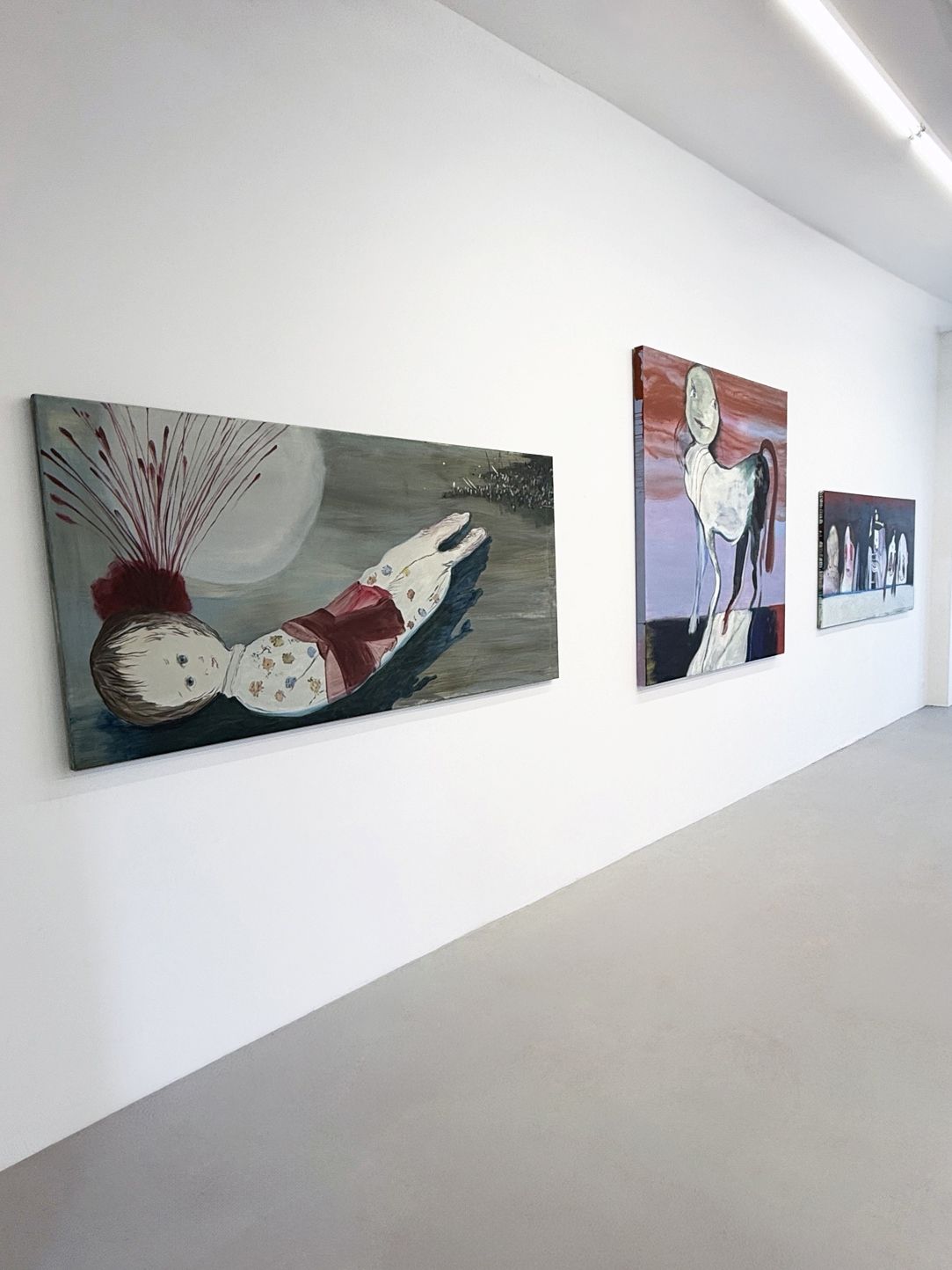
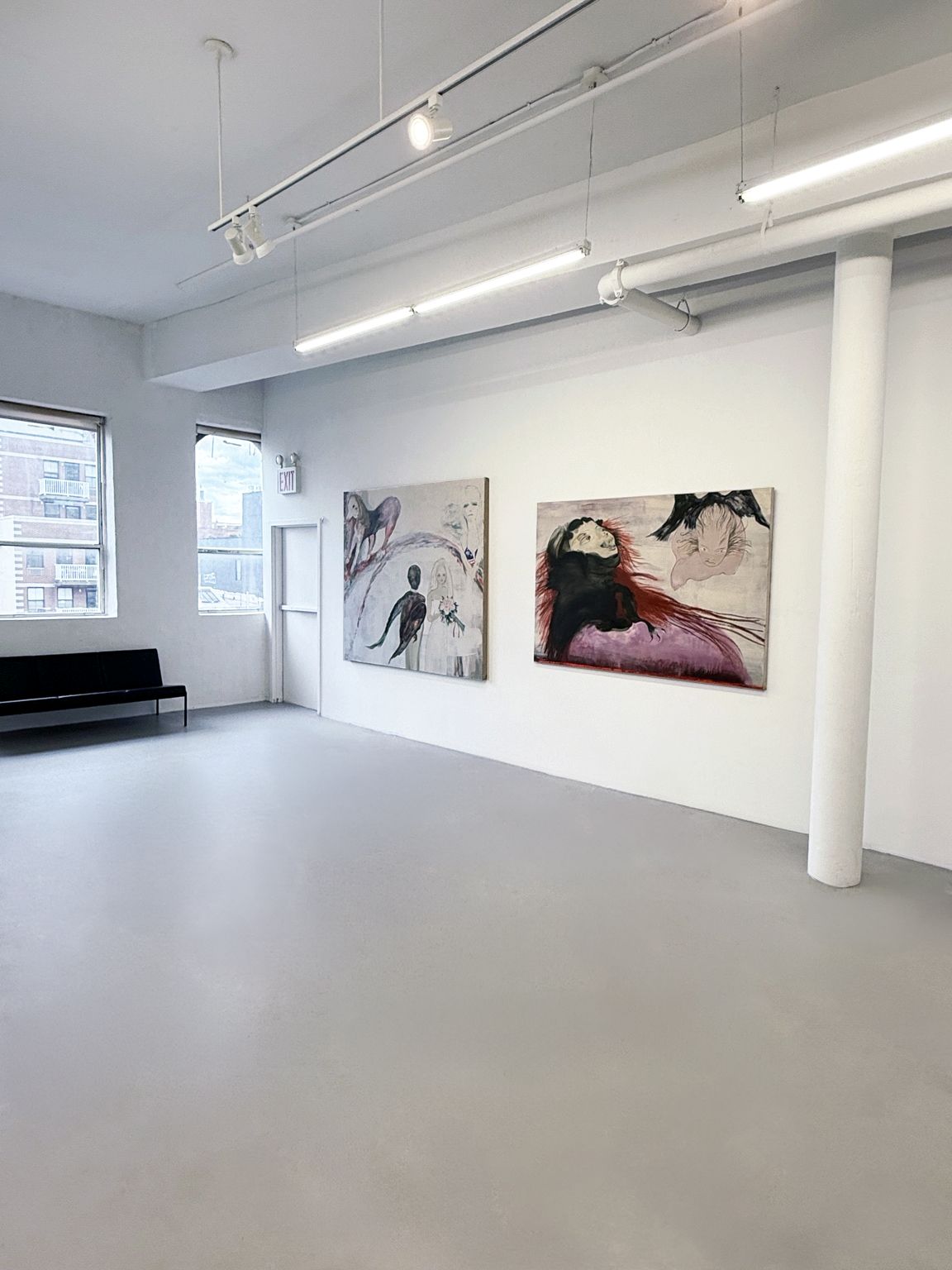
For this exhibition, the gallery itself becomes a kind of bar. The figures distributed across the canvases occupy the space like late-night patrons caught in different states of drift, performance, seduction, collapse, bravado, boredom, or private revelation. Seen together, the paintings form a social field: glances ricochet across walls, gestures seem to answer one another, tensions rise and dissolve. Each canvas holds its own scene, yet collectively they suggest the unstable ecology of a room shaped by alcohol, desire, loneliness, and fleeting communion.
The atmosphere surrounding these works is one of fatigue, buoyancy, and overstimulation. It is the feeling of bars at three in the morning, lipstick on the rim of an abandoned glass, music still playing for those who should have gone home hours earlier. There is wit here, but wit touched by aftermath. There is sensuality here, but carrying the faint scent of spoilage. There is freedom here, though perhaps the freedom of those who have mistaken drift for liberation. Crowds gather, then loosen. Entourages splinter. Figures slip toward animal, chimera, doll, or angel, not as fantasy but as a lived social transformation.
The paintings also draw energy from the tradition of Yūrei-zu—Japanese ghost paintings in which bodies hover between presence and disappearance, seduction and dread, materiality and apparition. That legacy feels newly relevant here. Stankard’s figures often appear suspended between states, at once corporeal and spectral, fleshly yet untethered, as though identity itself had become unstable under the conditions of pleasure.
This is not tragedy; it is too amused for tragedy. Nor is it celebration; it is too self-aware for that. It is closer to the mood of an age that has learned to aestheticize its own excesses while quietly suspecting that excess no longer delivers what it once promised. The old pleasures remain available, even abundant, yet each arrives with a trace of parody attached to it.
The fluidity of paint becomes inseparable from the fluidity of the body, with its appetites, messes, seductions, and inevitable decline. Figures are both constructed and undone, repeated to the point of mutation, as though perfection itself had become a trap. Beauty slips toward distortion; glamour hardens into mask. The work invites viewers to search for traces of humanity within artifice, only to encounter fragments, remnants, and shells.
What emerges is an atmosphere of seductive disillusionment: hedonism without innocence, decadence without grandeur, comedy with a bruise beneath it. The room is still full, the lights remain low, the bottle is not yet empty, and yet everyone senses that the evening already belongs to memory.
Connor Marie Stankard (b. 1992, Princeton, New Jersey) lives and works in New York. She received her BFA from Pace University in 2015 and her MFA from Virginia Commonwealth University in 2021. Recent solo exhibitions include Love Apple, Night Gallery, Los Angeles (2024); Ava, Chloe, Blair, Nicole, Lubov, New York (2022); and Cloaca Palace, The Anderson, Richmond, Virginia (2021).
***
A dummy is a substitute person. It gets looked at, dressed, undressed, and sometimes smashed in a car. “Dummy” also means stupid, but cute stupid. The kind you become when you’re drunk, embarrassed, or in love.
That’s where these paintings come from: moments when dignity slips, and desire makes you animal.
In Fritz the Cat, New York is overrun by human animals smashing into each other: drinking, fighting, flirting. Limbs stretch, eyes bulge, jaws slack. Desire rearranges the body. It’s a cartoon, but so is a bar.
A dummy is a body that lets things happen to it. The opposite of the dummy isn’t smart, it’s defensive. “You dummy” is said to someone childish, too open to the world. The dummy stays open.
A painting is a dummy too. A canvas is handled and receives pressure. It shows where it was touched.
I’m thinking about the paintings I never made because I stayed out late, or spent all day with someone I love. Whatever lazy, jellied state kept me from the studio wasn’t wasted time. The work in this show came from the same dumb condition that sometimes kept me from working.
—Connor Marie Stankard
Hoffmann Maler Wallenberg
88 Eldridge Street, Floor 5
New York, NY
Opening: May 28, 2026, 6–8 pm
Hours: Wednesday–Sunday, 11 am–6 pm
Hoffmann Maler Wallenberg is pleased to announce an exhibition of new paintings by New York–based artist Connor Marie Stankard. On view from May 28 through June 14, 2026, at HMW’s temporary space on Eldridge Street on the Lower East Side, Dummy marks the artist’s first exhibition with the gallery.
Connor Marie Stankard’s paintings emerge from a world in which pleasure has stayed too long at the party. Not pleasure in any innocent sense, but pleasure after midnight, after consequence, after the room has grown warm and the mirrors less reliable. One thinks of the vulgar vitality of Fritz the Cat, with its comic-strip confidence that appetite itself might be a philosophy, crossed with the colder diagnosis of Mark Fisher, who understood that desire often persists long after enjoyment has departed. Somewhere behind this still lingers the old promise of the pleasure principle: that we move instinctively toward gratification, relief, and release, only to discover that gratification can become another form of unrest.
For this exhibition, the gallery itself becomes a kind of bar. The figures distributed across the canvases occupy the space like late-night patrons caught in different states of drift, performance, seduction, collapse, bravado, boredom, or private revelation. Seen together, the paintings form a social field: glances ricochet across walls, gestures seem to answer one another, tensions rise and dissolve. Each canvas holds its own scene, yet collectively they suggest the unstable ecology of a room shaped by alcohol, desire, loneliness, and fleeting communion.
The atmosphere surrounding these works is one of fatigue, buoyancy, and overstimulation. It is the feeling of bars at three in the morning, lipstick on the rim of an abandoned glass, music still playing for those who should have gone home hours earlier. There is wit here, but wit touched by aftermath. There is sensuality here, but carrying the faint scent of spoilage. There is freedom here, though perhaps the freedom of those who have mistaken drift for liberation. Crowds gather, then loosen. Entourages splinter. Figures slip toward animal, chimera, doll, or angel, not as fantasy but as a lived social transformation.
The paintings also draw energy from the tradition of Yūrei-zu—Japanese ghost paintings in which bodies hover between presence and disappearance, seduction and dread, materiality and apparition. That legacy feels newly relevant here. Stankard’s figures often appear suspended between states, at once corporeal and spectral, fleshly yet untethered, as though identity itself had become unstable under the conditions of pleasure.
This is not tragedy; it is too amused for tragedy. Nor is it celebration; it is too self-aware for that. It is closer to the mood of an age that has learned to aestheticize its own excesses while quietly suspecting that excess no longer delivers what it once promised. The old pleasures remain available, even abundant, yet each arrives with a trace of parody attached to it.
The fluidity of paint becomes inseparable from the fluidity of the body, with its appetites, messes, seductions, and inevitable decline. Figures are both constructed and undone, repeated to the point of mutation, as though perfection itself had become a trap. Beauty slips toward distortion; glamour hardens into mask. The work invites viewers to search for traces of humanity within artifice, only to encounter fragments, remnants, and shells.
What emerges is an atmosphere of seductive disillusionment: hedonism without innocence, decadence without grandeur, comedy with a bruise beneath it. The room is still full, the lights remain low, the bottle is not yet empty, and yet everyone senses that the evening already belongs to memory.
Connor Marie Stankard (b. 1992, Princeton, New Jersey) lives and works in New York. She received her BFA from Pace University in 2015 and her MFA from Virginia Commonwealth University in 2021. Recent solo exhibitions include Love Apple, Night Gallery, Los Angeles (2024); Ava, Chloe, Blair, Nicole, Lubov, New York (2022); and Cloaca Palace, The Anderson, Richmond, Virginia (2021).
***
A dummy is a substitute person. It gets looked at, dressed, undressed, and sometimes smashed in a car. “Dummy” also means stupid, but cute stupid. The kind you become when you’re drunk, embarrassed, or in love.
That’s where these paintings come from: moments when dignity slips, and desire makes you animal.
In Fritz the Cat, New York is overrun by human animals smashing into each other: drinking, fighting, flirting. Limbs stretch, eyes bulge, jaws slack. Desire rearranges the body. It’s a cartoon, but so is a bar.
A dummy is a body that lets things happen to it. The opposite of the dummy isn’t smart, it’s defensive. “You dummy” is said to someone childish, too open to the world. The dummy stays open.
A painting is a dummy too. A canvas is handled and receives pressure. It shows where it was touched.
I’m thinking about the paintings I never made because I stayed out late, or spent all day with someone I love. Whatever lazy, jellied state kept me from the studio wasn’t wasted time. The work in this show came from the same dumb condition that sometimes kept me from working.
—Connor Marie Stankard
Hoffmann Maler Wallenberg
88 Eldridge Street, Floor 5
New York, NY
Opening: May 28, 2026, 6–8 pm
Hours: Wednesday–Sunday, 11 am–6 pm
Hoffmann Maler Wallenberg is pleased to announce an exhibition of new paintings by New York–based artist Connor Marie Stankard. On view from May 28 through June 14, 2026, at HMW’s temporary space on Eldridge Street on the Lower East Side, Dummy marks the artist’s first exhibition with the gallery.
Connor Marie Stankard’s paintings emerge from a world in which pleasure has stayed too long at the party. Not pleasure in any innocent sense, but pleasure after midnight, after consequence, after the room has grown warm and the mirrors less reliable. One thinks of the vulgar vitality of Fritz the Cat, with its comic-strip confidence that appetite itself might be a philosophy, crossed with the colder diagnosis of Mark Fisher, who understood that desire often persists long after enjoyment has departed. Somewhere behind this still lingers the old promise of the pleasure principle: that we move instinctively toward gratification, relief, and release, only to discover that gratification can become another form of unrest.
For this exhibition, the gallery itself becomes a kind of bar. The figures distributed across the canvases occupy the space like late-night patrons caught in different states of drift, performance, seduction, collapse, bravado, boredom, or private revelation. Seen together, the paintings form a social field: glances ricochet across walls, gestures seem to answer one another, tensions rise and dissolve. Each canvas holds its own scene, yet collectively they suggest the unstable ecology of a room shaped by alcohol, desire, loneliness, and fleeting communion.
The atmosphere surrounding these works is one of fatigue, buoyancy, and overstimulation. It is the feeling of bars at three in the morning, lipstick on the rim of an abandoned glass, music still playing for those who should have gone home hours earlier. There is wit here, but wit touched by aftermath. There is sensuality here, but carrying the faint scent of spoilage. There is freedom here, though perhaps the freedom of those who have mistaken drift for liberation. Crowds gather, then loosen. Entourages splinter. Figures slip toward animal, chimera, doll, or angel, not as fantasy but as a lived social transformation.
The paintings also draw energy from the tradition of Yūrei-zu—Japanese ghost paintings in which bodies hover between presence and disappearance, seduction and dread, materiality and apparition. That legacy feels newly relevant here. Stankard’s figures often appear suspended between states, at once corporeal and spectral, fleshly yet untethered, as though identity itself had become unstable under the conditions of pleasure.
This is not tragedy; it is too amused for tragedy. Nor is it celebration; it is too self-aware for that. It is closer to the mood of an age that has learned to aestheticize its own excesses while quietly suspecting that excess no longer delivers what it once promised. The old pleasures remain available, even abundant, yet each arrives with a trace of parody attached to it.
The fluidity of paint becomes inseparable from the fluidity of the body, with its appetites, messes, seductions, and inevitable decline. Figures are both constructed and undone, repeated to the point of mutation, as though perfection itself had become a trap. Beauty slips toward distortion; glamour hardens into mask. The work invites viewers to search for traces of humanity within artifice, only to encounter fragments, remnants, and shells.
What emerges is an atmosphere of seductive disillusionment: hedonism without innocence, decadence without grandeur, comedy with a bruise beneath it. The room is still full, the lights remain low, the bottle is not yet empty, and yet everyone senses that the evening already belongs to memory.
Connor Marie Stankard (b. 1992, Princeton, New Jersey) lives and works in New York. She received her BFA from Pace University in 2015 and her MFA from Virginia Commonwealth University in 2021. Recent solo exhibitions include Love Apple, Night Gallery, Los Angeles (2024); Ava, Chloe, Blair, Nicole, Lubov, New York (2022); and Cloaca Palace, The Anderson, Richmond, Virginia (2021).
***
A dummy is a substitute person. It gets looked at, dressed, undressed, and sometimes smashed in a car. “Dummy” also means stupid, but cute stupid. The kind you become when you’re drunk, embarrassed, or in love.
That’s where these paintings come from: moments when dignity slips, and desire makes you animal.
In Fritz the Cat, New York is overrun by human animals smashing into each other: drinking, fighting, flirting. Limbs stretch, eyes bulge, jaws slack. Desire rearranges the body. It’s a cartoon, but so is a bar.
A dummy is a body that lets things happen to it. The opposite of the dummy isn’t smart, it’s defensive. “You dummy” is said to someone childish, too open to the world. The dummy stays open.
A painting is a dummy too. A canvas is handled and receives pressure. It shows where it was touched.
I’m thinking about the paintings I never made because I stayed out late, or spent all day with someone I love. Whatever lazy, jellied state kept me from the studio wasn’t wasted time. The work in this show came from the same dumb condition that sometimes kept me from working.
—Connor Marie Stankard
Hoffmann Maler Wallenberg
88 Eldridge Street, Floor 5
New York, NY
Opening: May 28, 2026, 6–8 pm
Hours: Wednesday–Sunday, 11 am–6 pm
Hoffmann Maler Wallenberg is pleased to announce an exhibition of new paintings by New York–based artist Connor Marie Stankard. On view from May 28 through June 14, 2026, at HMW’s temporary space on Eldridge Street on the Lower East Side, Dummy marks the artist’s first exhibition with the gallery.
Connor Marie Stankard’s paintings emerge from a world in which pleasure has stayed too long at the party. Not pleasure in any innocent sense, but pleasure after midnight, after consequence, after the room has grown warm and the mirrors less reliable. One thinks of the vulgar vitality of Fritz the Cat, with its comic-strip confidence that appetite itself might be a philosophy, crossed with the colder diagnosis of Mark Fisher, who understood that desire often persists long after enjoyment has departed. Somewhere behind this still lingers the old promise of the pleasure principle: that we move instinctively toward gratification, relief, and release, only to discover that gratification can become another form of unrest.
For this exhibition, the gallery itself becomes a kind of bar. The figures distributed across the canvases occupy the space like late-night patrons caught in different states of drift, performance, seduction, collapse, bravado, boredom, or private revelation. Seen together, the paintings form a social field: glances ricochet across walls, gestures seem to answer one another, tensions rise and dissolve. Each canvas holds its own scene, yet collectively they suggest the unstable ecology of a room shaped by alcohol, desire, loneliness, and fleeting communion.
The atmosphere surrounding these works is one of fatigue, buoyancy, and overstimulation. It is the feeling of bars at three in the morning, lipstick on the rim of an abandoned glass, music still playing for those who should have gone home hours earlier. There is wit here, but wit touched by aftermath. There is sensuality here, but carrying the faint scent of spoilage. There is freedom here, though perhaps the freedom of those who have mistaken drift for liberation. Crowds gather, then loosen. Entourages splinter. Figures slip toward animal, chimera, doll, or angel, not as fantasy but as a lived social transformation.
The paintings also draw energy from the tradition of Yūrei-zu—Japanese ghost paintings in which bodies hover between presence and disappearance, seduction and dread, materiality and apparition. That legacy feels newly relevant here. Stankard’s figures often appear suspended between states, at once corporeal and spectral, fleshly yet untethered, as though identity itself had become unstable under the conditions of pleasure.
This is not tragedy; it is too amused for tragedy. Nor is it celebration; it is too self-aware for that. It is closer to the mood of an age that has learned to aestheticize its own excesses while quietly suspecting that excess no longer delivers what it once promised. The old pleasures remain available, even abundant, yet each arrives with a trace of parody attached to it.
The fluidity of paint becomes inseparable from the fluidity of the body, with its appetites, messes, seductions, and inevitable decline. Figures are both constructed and undone, repeated to the point of mutation, as though perfection itself had become a trap. Beauty slips toward distortion; glamour hardens into mask. The work invites viewers to search for traces of humanity within artifice, only to encounter fragments, remnants, and shells.
What emerges is an atmosphere of seductive disillusionment: hedonism without innocence, decadence without grandeur, comedy with a bruise beneath it. The room is still full, the lights remain low, the bottle is not yet empty, and yet everyone senses that the evening already belongs to memory.
Connor Marie Stankard (b. 1992, Princeton, New Jersey) lives and works in New York. She received her BFA from Pace University in 2015 and her MFA from Virginia Commonwealth University in 2021. Recent solo exhibitions include Love Apple, Night Gallery, Los Angeles (2024); Ava, Chloe, Blair, Nicole, Lubov, New York (2022); and Cloaca Palace, The Anderson, Richmond, Virginia (2021).
***
A dummy is a substitute person. It gets looked at, dressed, undressed, and sometimes smashed in a car. “Dummy” also means stupid, but cute stupid. The kind you become when you’re drunk, embarrassed, or in love.
That’s where these paintings come from: moments when dignity slips, and desire makes you animal.
In Fritz the Cat, New York is overrun by human animals smashing into each other: drinking, fighting, flirting. Limbs stretch, eyes bulge, jaws slack. Desire rearranges the body. It’s a cartoon, but so is a bar.
A dummy is a body that lets things happen to it. The opposite of the dummy isn’t smart, it’s defensive. “You dummy” is said to someone childish, too open to the world. The dummy stays open.
A painting is a dummy too. A canvas is handled and receives pressure. It shows where it was touched.
I’m thinking about the paintings I never made because I stayed out late, or spent all day with someone I love. Whatever lazy, jellied state kept me from the studio wasn’t wasted time. The work in this show came from the same dumb condition that sometimes kept me from working.
—Connor Marie Stankard
Connor Marie Stankard
Love Stuffed Everything Up
2026
Oil and acrylic on canvas
165 × 191 cm (65 × 75 in.)
Connor Marie Stankard
You and Me on the Ferry
2026
Oil and acrylic on canvas
122 × 183 cm (48 × 72 in.)
Connor Marie Stankard
Big Open Mouth
2026
Oil, acrylic, fabric, and foam on canvas
122 × 183 cm (48 × 72 in.)
Connor Marie Stankard
Happy Me Piñata
2026
Oil and acrylic on canvas
165 × 165 cm (65 × 65 in.)
Connor Marie Stankard
I Don’t Die
2026
Oil and acrylic on canvas
203 × 97 cm (80 × 38 in.)
Connor Marie Stankard
Big Barn
2026
Oil and acrylic on canvas
97 × 203 cm (38 × 80 in.)
Connor Marie Stankard
Eating Gum
2025
Oil and acrylic on canvas
165.1 × 190.5 cm (65 × 75 in.)
Connor Marie Stankard
Wrong Walk Home All Winter
2025
Oil and acrylic on canvas
165 × 165 cm (65 × 65 in.)
Connor Marie Stankard
Battery Rabbit Birthday Cake
2025
Oil and acrylic on canvas
165.1 × 190.5 cm (65 × 75 in.)
Connor Marie Stankard
Maria Spatchcock
2025
Oil and acrylic on canvas
165 × 191 cm (65 × 75 in.)